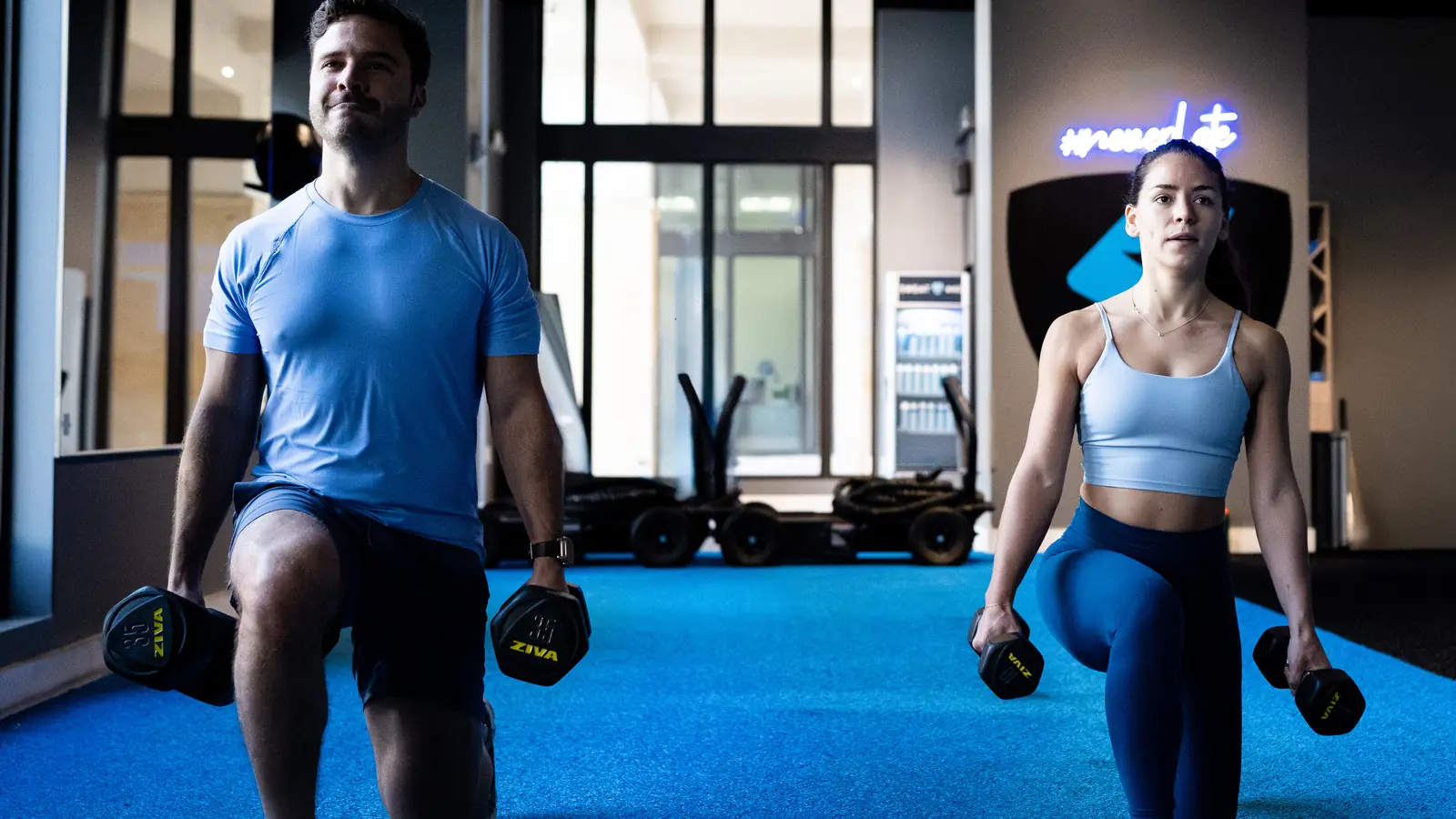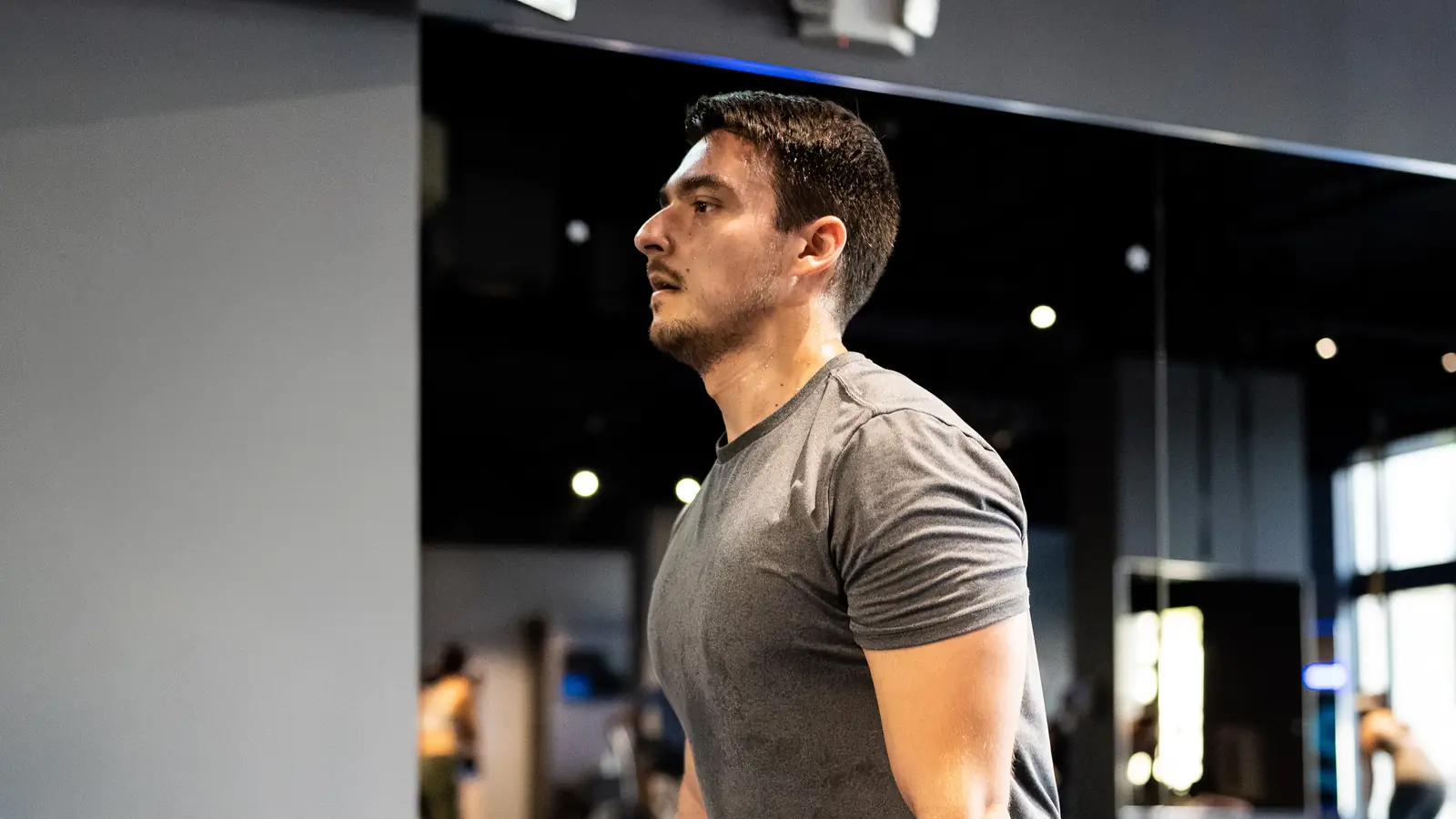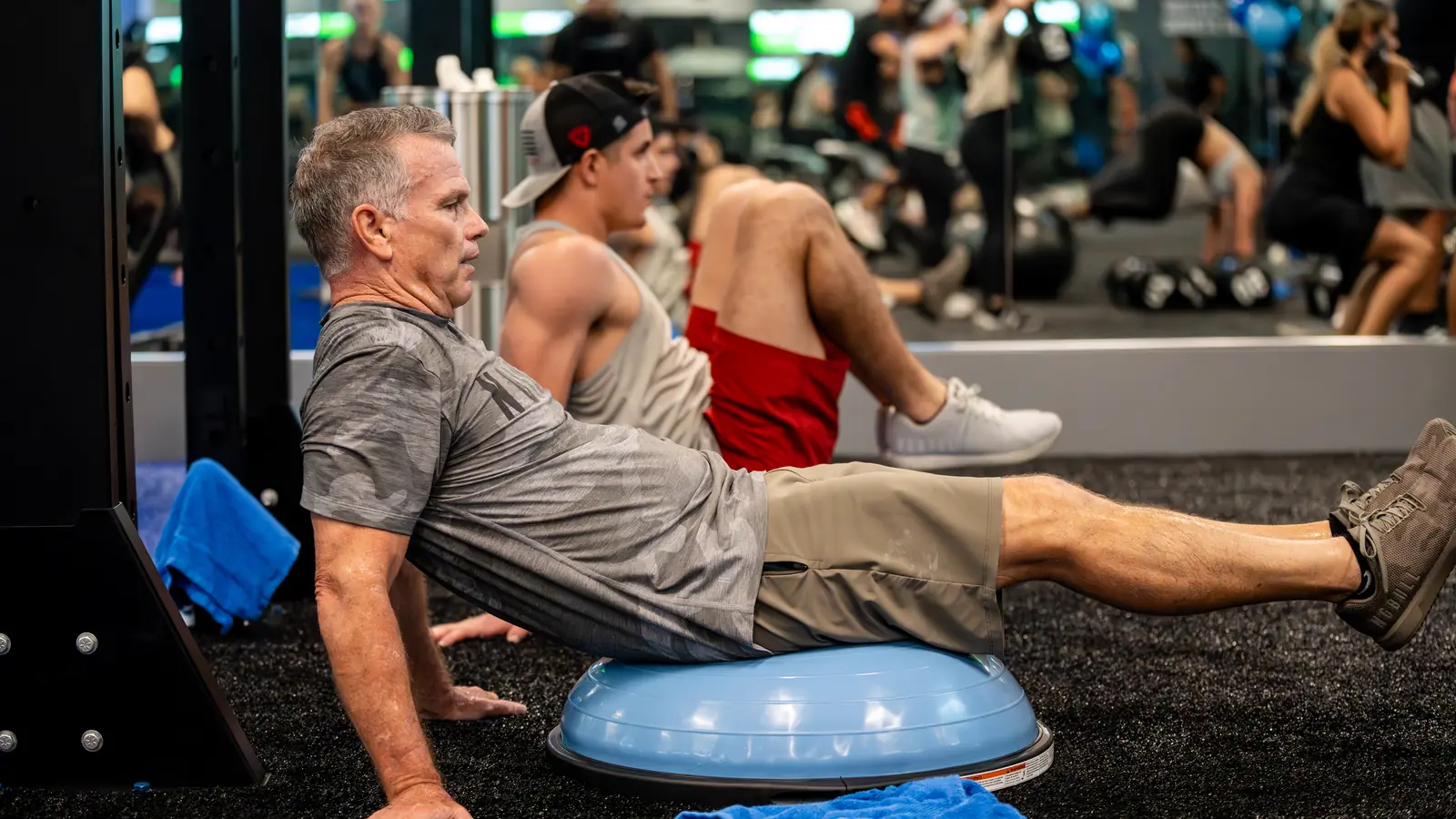
Turning 50 does not mean your best workouts are behind you.
You can still build strength, add muscle, improve cardiovascular fitness, and move better. The key is training in a way that matches your current ability and gives you room to progress.
A good workout for men over 50 should not be built around age alone. Your training experience, mobility, health, goals, current fitness, and recovery all matter.
For many men, the strongest approach combines resistance training, regular cardiovascular activity, mobility where useful, and enough recovery to stay consistent.
You do not need a special workout just because you turned 50. You need a smart routine you can keep improving.
What Is the Best Workout for Men Over 50?
The best workout for men over 50 is not one specific routine.
A well rounded plan combines strength training, cardiovascular activity, mobility, and enough recovery to help you continue making progress.
Strength training should be a major part of that plan. Exercises that challenge the legs, chest, back, shoulders, arms, and core can help you maintain or improve strength while supporting everyday movement.
Cardio matters too. Walking, cycling, rowing, swimming, and other aerobic activities can improve cardiovascular fitness and help you stay active outside the gym.
Mobility and balance can also be useful, especially when certain movements feel restricted or stability becomes more challenging.
How Should Workouts Change After 50?
Your workouts do not automatically need to become easier after 50.
They need to make sense for you.
Someone who has trained consistently for 20 years may be ready for more resistance and training volume than someone returning to exercise after a long break.
Start where you are. Learn the movement, choose resistance you can control, and gradually increase the challenge as your strength improves.
Why Consistency Matters
One difficult workout will not create lasting results.
Progress comes from repeating quality training often enough for your body to adapt.
A routine you can follow for months is more useful than an aggressive plan that leaves you exhausted, sore, and struggling to recover.
What Are the Best Exercises for Men Over 50?
The best exercises for men over 50 are movements that train the major muscle groups, fit your current ability, and can become more challenging over time.
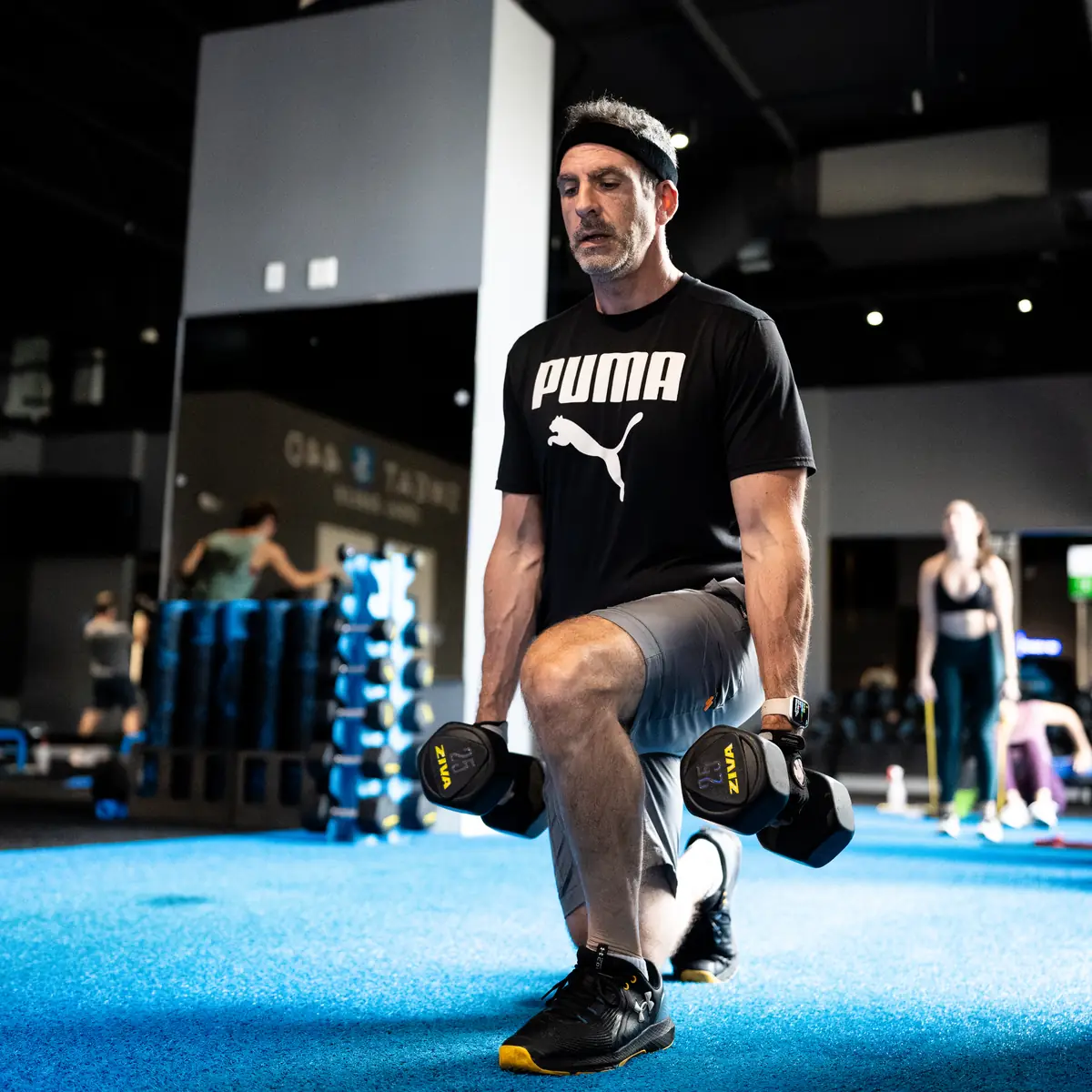
You do not need a completely different list of exercises after 50.
A practical routine should include lower body movements, upper body pushing and pulling, core work, and mobility or stability exercises where useful.
Squat Movements
Squats train the legs and hips while reinforcing a movement you use every day, such as getting up from a chair.
Beginner friendly options can include:
- Sit to stand exercises
- Bodyweight squats
- Goblet squats
- Supported split squats
Choose a variation that lets you move through a comfortable range with control.
Hip Hinge Movements
Hip hinge exercises train the glutes, hips, and muscles along the back of the legs.
Options can include:
- Kettlebell deadlifts
- Dumbbell Romanian deadlifts
- Other controlled deadlift variations
Focus first on learning the movement. Resistance can increase as your technique and confidence improve.
Pushing Exercises
Pushing movements train the chest, shoulders, and arms.
Options include:
- Pushups
- Dumbbell chest presses
- Machine chest presses
- Dumbbell shoulder presses
If one variation feels uncomfortable or too difficult, another option can train the same general movement pattern.
Pulling Exercises
Pulling movements strengthen the back and arms and help create a balanced upper body routine.
Options include:
- Cable rows
- Dumbbell rows
- Resistance band rows
- Pulldown variations
Choose a version you can perform with good posture and control.
Core and Stability Exercises
Core training does not need to mean doing endless crunches.
Planks, carries, and other stability exercises can challenge the muscles around your trunk while helping you maintain control during other movements.
Mobility and Balance
Mobility work can help you move comfortably through the ranges you need for exercise and everyday activity.
Balance work can also be useful, particularly if stability is already a challenge or becomes more important as you get older.
Mobility should support your strength training, not replace it.
Should Men Over 50 Lift Weights?
Yes. Men over 50 can and generally should include resistance training in a well rounded fitness routine.
Strength training can help maintain muscle, improve strength, and support everyday function as you age.
Lifting weights does not mean you need to start with heavy barbells either.
Dumbbells, kettlebells, machines, resistance bands, and bodyweight exercises can all provide an effective strength training stimulus.
Choosing the Right Resistance
The right resistance is one you can control with good technique while still feeling challenged.
If you are new to strength training, starting lighter can make it easier to learn the movement. As your strength and confidence improve, you can gradually increase the resistance.
For many strength exercises, around 8 to 12 controlled repetitions can provide a practical starting point.
The last few repetitions should feel challenging without causing your technique to fall apart.
Why Progression Matters
Your body needs a reason to keep adapting.
Progress can come from increasing resistance, completing more controlled repetitions, adding another set when appropriate, or moving to a more challenging exercise variation.
The goal is not to prove how much weight you can lift.
The goal is to keep improving while maintaining good movement quality.
Can Men Over 50 Still Build Muscle?
Yes, men over 50 can still build muscle.
Resistance training can continue to increase muscle size and strength later in life, although progress may become more gradual as you get older.
The main requirement is giving your muscles a consistent reason to adapt.
You can make progress by:
- Increasing resistance gradually
- Performing more controlled repetitions
- Adding another set when appropriate
- Improving your range of motion
- Progressing to a more challenging exercise variation
You do not need extremely long workouts or excessive training volume to see results.
Nutrition and Recovery Matter Too
Training provides the stimulus, but your routine does not exist in isolation.
Adequate nutrition helps support recovery, while enough rest gives you a better chance of returning ready for your next session.
Building muscle after 50 may require patience, but your ability to get stronger does not suddenly disappear at a certain age.
Consistency over time matters more than trying to force rapid progress.
How Often Should Men Over 50 Work Out?
For many men over 50, two or three strength workouts per week combined with regular cardiovascular activity can provide a practical starting point.
If you are new to exercise, two full body strength sessions per week can give you time to learn the movements, build confidence, and recover between workouts.
As your fitness improves, you may decide to add another strength session if your goals and recovery support it.
A simple week could look like this:
Monday: Full body strength
Tuesday: Walking or moderate cardio
Wednesday: Recovery or mobility
Thursday: Full body strength
Friday: Walking or cardio
Weekend: Light activity, recreation, or recovery based on how you feel
More training days are not automatically better.
A good workout for men over 50 should provide enough challenge to create progress without leaving you constantly fatigued.
How Much Cardio Should Men Over 50 Do?
For many men over 50, around 150 minutes of moderate cardiovascular activity per week is a useful target.
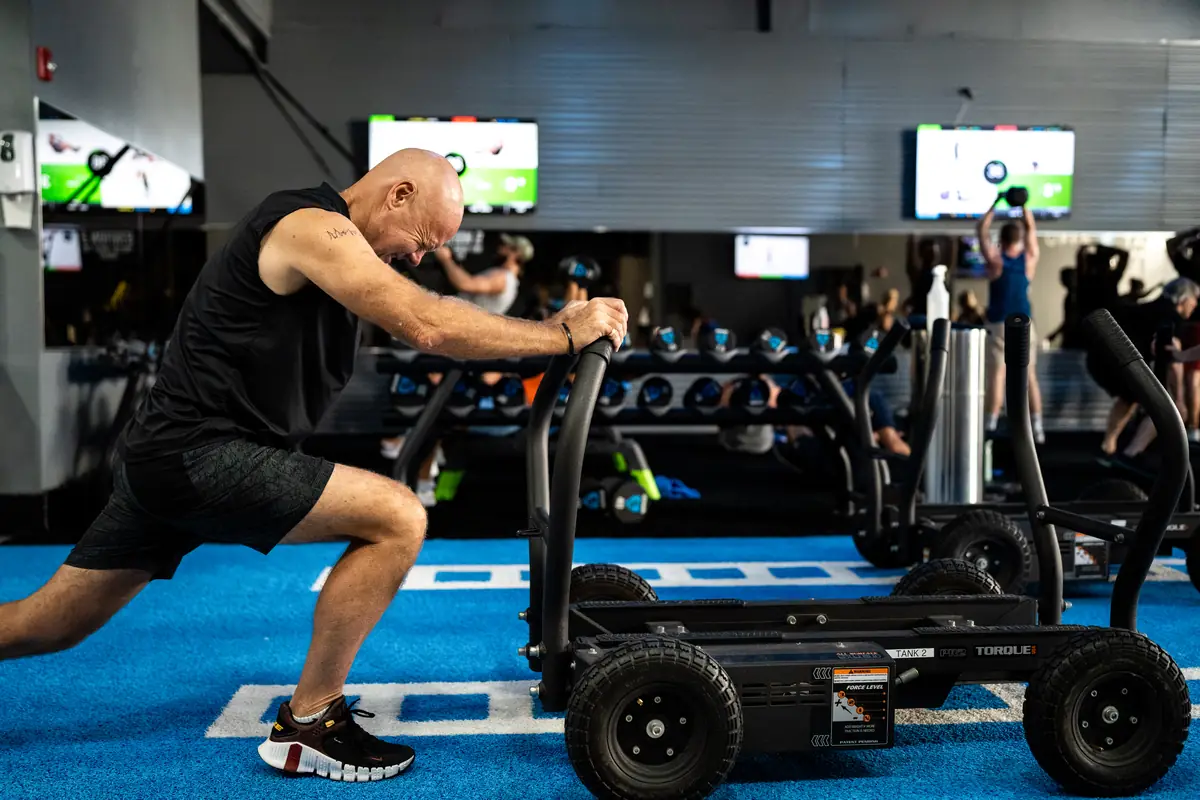
That could include brisk walking, cycling, swimming, rowing, or another aerobic activity you enjoy.
You do not need to complete all of that cardio in one or two long sessions.
Thirty minutes on five days is one option, but shorter periods can also add up throughout the week.
What If You Are Just Getting Started?
If you are returning to exercise after a long break, begin with an amount you can manage comfortably.
Even 10 or 15 minutes at a time can be a useful starting point before gradually increasing the duration.
Cardio also does not have to mean running.
Walking, cycling, swimming, and other activities can improve cardiovascular fitness without requiring high impact exercise.
How Should You Combine Cardio and Strength Training?
You do not have to choose one or the other.
Strength training supports muscle and strength. Aerobic activity supports cardiovascular fitness and endurance.
The key is finding a balance you can recover from.
If large amounts of cardio regularly leave you too tired to perform well during strength sessions, it may be worth adjusting the amount or intensity.
More cardio is not automatically better.
Choose activities you enjoy, spread them across the week, and make sure your routine still leaves room for quality strength training.
How Important Is Recovery for Men Over 50?
Recovery matters because training and recovery work together.
You do not need to avoid challenging workouts, but your body still needs enough time, sleep, and nutrition to respond to them.
There is no single recovery schedule that works for every man over 50.
Your needs can depend on workout intensity, training volume, experience, sleep, stress, nutrition, and overall fitness.
Give Your Muscles Time to Recover
A useful starting point is to avoid training the same muscle groups hard on consecutive days.
That gives your muscles time to recover before another demanding session.
Rest days also do not have to mean sitting still.
Walking, comfortable mobility work, and other light movement can fit between harder workouts as long as they do not add excessive fatigue.
Soreness Is Not the Goal
You do not need to be extremely sore after every workout to make progress.
Soreness can happen, particularly when an exercise is new, but it is not a requirement for an effective training session.
Pay attention instead to how you are performing.
Persistent fatigue, declining workout performance, soreness that interferes with normal movement, or difficulty maintaining good technique can all be signs that your routine may need more recovery.
Example Workout for Men Over 50
A beginner workout for men over 50 does not need dozens of exercises.
A simple full body session can train the legs, hips, chest, back, and core while leaving plenty of room to progress.
Here is one practical example:
| Movement | Example Exercise | Sets | Repetitions |
|---|---|---|---|
| Squat | Goblet squat or sit to stand | 2 | 8 to 12 |
| Hinge | Kettlebell deadlift | 2 | 8 to 12 |
| Push | Dumbbell chest press | 2 | 8 to 12 |
| Pull | Cable row or dumbbell row | 2 | 8 to 12 |
| Core | Plank | 2 | Controlled hold |
You do not have to perform these exact exercises.
The purpose is to cover the major movement patterns using variations that fit your ability, equipment, and comfort.
How Much Resistance Should You Use?
Choose resistance that makes the final few repetitions feel challenging while still allowing you to maintain good technique.
You should not need to sacrifice control just to finish the set.
If you are new to strength training, begin with lighter resistance and focus on learning the movement before increasing the challenge.
How Should You Progress?
Progress does not always mean adding more weight.
You can improve by:
- Performing the movement with better control
- Adding repetitions within your target range
- Increasing resistance gradually
- Adding another set when appropriate
- Progressing to a more challenging exercise variation
Make small changes as your current workout becomes easier.
The goal is to challenge yourself enough to improve while still recovering well enough to return for the next session.
How Does SWEAT440 Help Men Over 50 Build Strength and Fitness?
A good workout for men over 50 should challenge you while still allowing exercises to match your current ability.
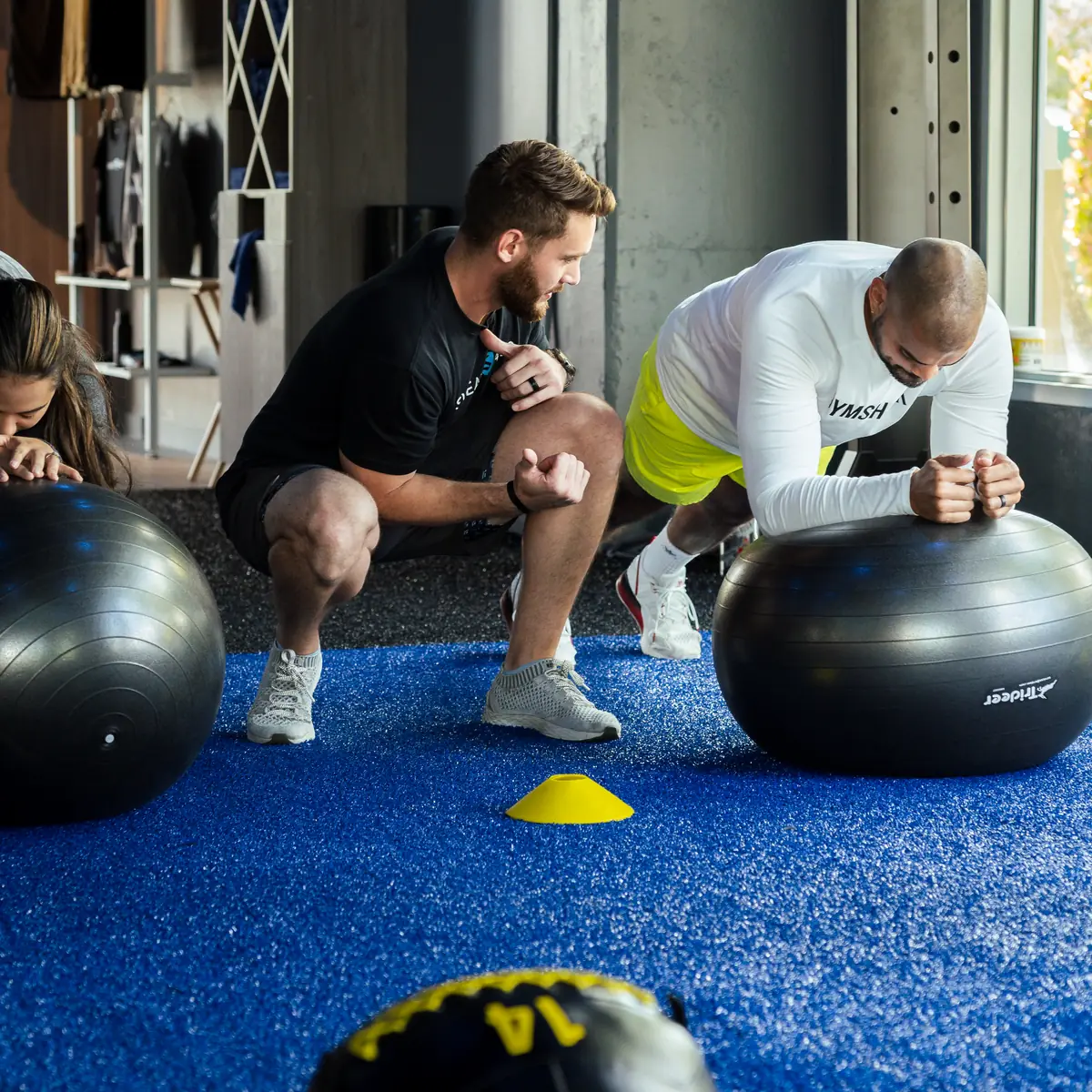
SWEAT440 combines structured strength training, progressive programming, coaching, and exercise modifications in a 40 minute format.
Workouts rotate through four stations, with 10 minutes at each station. Weekly programming includes dedicated upper body and lower body strength days, along with athletic conditioning and full body training.
That structure gives you opportunities to train the major muscle groups throughout the week without relying on only one style of exercise.
Progressive Training Matters
SWEAT440 programming incorporates progressive overload.
As you become stronger and more comfortable with the movements, the challenge can increase through resistance, exercise difficulty, or training intensity.
That does not mean every workout needs to feel harder than the one before it.
The goal is gradual improvement over time.
Coaching Can Help You Train at the Right Level
SWEAT440 coaches guide form and pace throughout the workout, while exercise modifications allow members to choose variations that better match their mobility, experience, and current fitness.
Men over 50 do not automatically need easier exercises because of age.
The goal is to use the right version of each movement for your ability and continue building from there.
Compound movements such as squats, hinges, presses, and pulls also play an important role in the training and can help develop strength that carries into everyday movement.
The 40 minute format can make consistency easier too.
SWEAT440 provides the structure and coaching. Your job is to show up, train at an appropriate level, recover, and keep progressing.
Frequently Asked Questions About Workouts for Men Over 50
What is the best workout for men over 50?
A well rounded workout for men over 50 should combine resistance training, cardiovascular activity, mobility where useful, and adequate recovery. The exact routine should reflect your fitness, experience, mobility, and goals.
How many days a week should a man over 50 work out?
For many men, two or three strength sessions per week combined with regular cardiovascular activity can provide a practical starting point. Beginners may begin with two full body strength workouts and build from there.
Should men over 50 lift weights?
Yes. Resistance training can help maintain or improve muscle, strength, and everyday function. The resistance and exercise selection should match your current ability.
Can a 50 year old man still build muscle?
Yes. Men over 50 can continue building muscle and strength through progressive resistance training. Progress may become more gradual with age, but the ability to adapt remains.
What exercises should men over 50 do?
A balanced routine can include a squat, hip hinge, pushing exercise, pulling exercise, core work, and mobility or balance work where appropriate.
How much cardio should men over 50 do?
Around 150 minutes of moderate cardiovascular activity per week is a useful target for many adults. This can be spread across several days and can include walking, cycling, swimming, rowing, or other aerobic activities.
Do men over 50 need more recovery?
Recovery needs vary. Age is only one factor. Training intensity, volume, sleep, nutrition, stress, fitness, and experience can all influence how much recovery you need.
Is it too late to start working out at 50?
No. You can start building strength and fitness after 50. Begin with manageable exercises and training volume, focus on good technique, and increase the challenge gradually as your fitness improves.
Final Takeaway: Strength, Consistency, and Recovery Matter After 50
A good workout for men over 50 does not need to be complicated.
A practical approach combines resistance training, regular cardio, mobility where useful, and enough recovery to help you stay consistent.
Strength training should remain a central part of the plan. Squats, hinges, presses, pulls, core work, and other full body movements can help you build and maintain strength when the exercises match your current ability.
Cardio supports cardiovascular fitness. Recovery gives your body time to adapt.
You do not need to train hard every day to make progress.
What matters most is choosing a routine you can maintain, using good technique, and gradually increasing the challenge as you get stronger.
At SWEAT440, coach led strength training, progressive programming, exercise modifications, and a 40 minute format can help make that process more structured and practical.
Turning 50 does not mean you need to stop challenging yourself. It means training with purpose, recovering well, and building strength in a way you can continue over time.
Ready to get started? Find a SWEAT440 studio near you and book a class to begin building a stronger, more consistent routine.
Book your first class free and experience the difference.