If you have spent any time looking at strength training programs, you have probably seen the term push pull legs.
The idea is straightforward. Instead of training your entire body in every session, you divide your workouts into three categories: pushing movements, pulling movements, and lower body exercises.
That simple structure is one reason push pull legs, often shortened to PPL, has become so popular. It can work for beginners, experienced lifters, and people training anywhere from three to six days per week.
But the split itself is not what creates results. Progress still depends on choosing exercises that make sense for you, doing enough productive training, improving over time, and recovering well enough to keep performing.
This guide breaks down how a push pull legs workout split works, what belongs on each day, how often you can train, and how to build a routine you can actually stick with.
What Is a Push Pull Legs Workout Split?
A push pull legs workout split organizes resistance training based on movement patterns and the muscle groups that usually work together.
The three categories are:
- Push: Chest, shoulders, and triceps
- Pull: Back, biceps, and rear shoulders
- Legs: Quadriceps, hamstrings, glutes, calves, and other lower body muscles
PPL is a framework, not one fixed workout plan. You can change the exercises, number of training days, sets, repetitions, and total volume to match your goals and experience.
Someone might follow PPL three days per week with one push, one pull, and one leg workout. Someone who enjoys training more often might continue the rotation across five days or repeat it twice across six.
The structure gives your training organization. What you do inside that structure determines how effective it becomes.
How Does a Push Pull Legs Split Work?
PPL groups together muscles that often contribute to the same types of movements.
Push Day
Push day focuses mainly on movements where you press resistance away from your body.
That typically trains:
- Chest
- Front and side shoulders
- Triceps
Chest presses, overhead presses, push ups, lateral raises, and triceps exercises can all fit here.
Pull Day
Pull day focuses on movements where you pull resistance toward your body.
That usually trains:
- Back
- Biceps
- Rear shoulders
- Forearms and grip to some degree
Rows, pull ups, pulldowns, reverse flyes, and curls are common choices.
Leg Day
Leg day focuses on the lower body, including:
- Quadriceps
- Hamstrings
- Glutes
- Calves
Squats, lunges, hip hinges, leg presses, and calf raises can all be part of the session.
Together, the three workouts give you a simple way to cover the major muscle groups without trying to fit everything into one workout.
What Muscles Do You Train on Push Day?
Push day mainly trains the muscles involved in pressing.
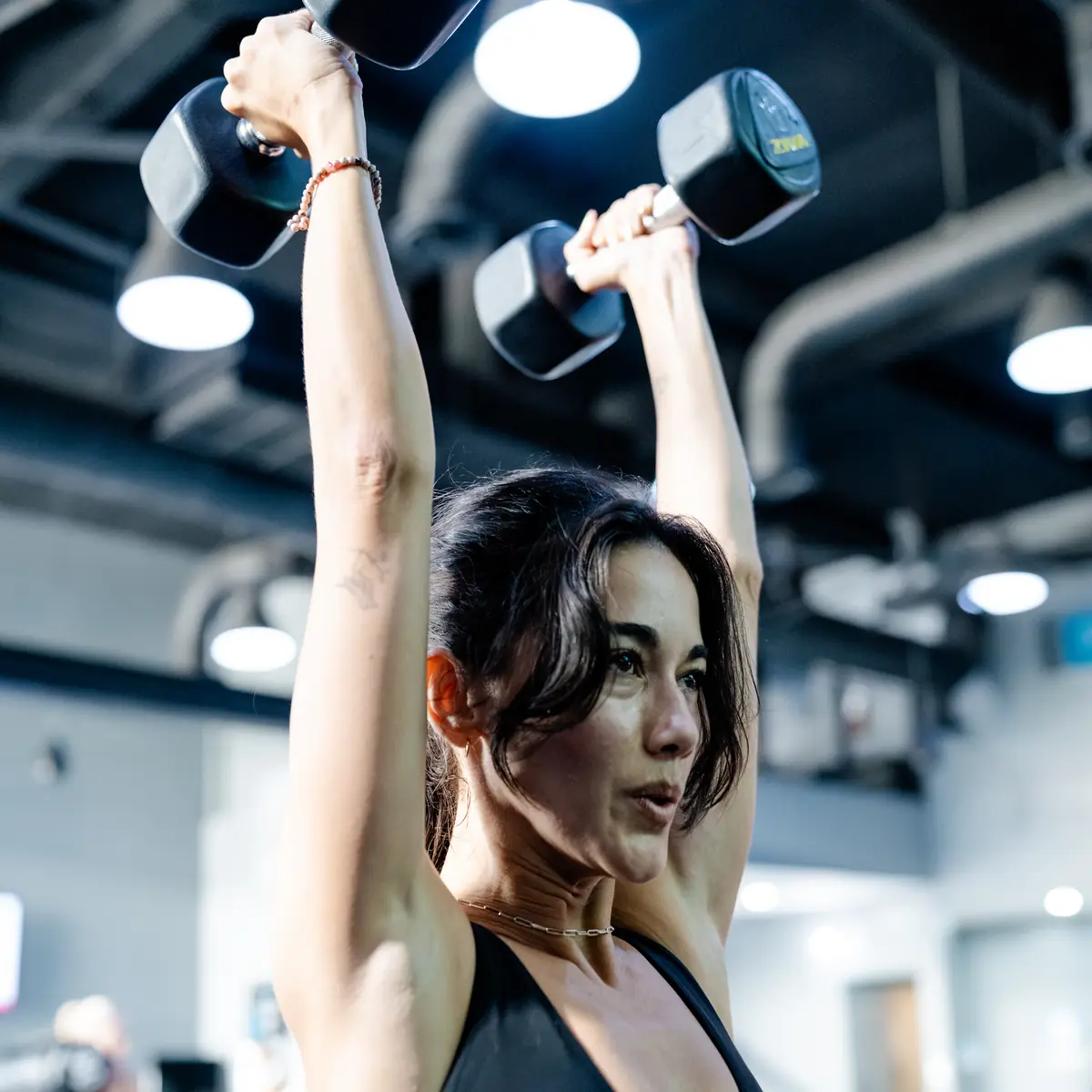
Chest
Your chest does much of the work during horizontal pressing exercises such as chest presses, bench presses, and push ups.
Shoulders
Your front shoulders assist during most pressing movements, while overhead presses challenge them more directly. Your side shoulders can receive additional work through exercises such as lateral raises.
Rear shoulder exercises usually fit better on pull day.
Triceps
Your triceps straighten the elbow and assist during most chest and shoulder presses. That means they are already doing some work before you add a direct triceps exercise.
Because these muscle groups work together, you do not need a huge exercise list. A few well chosen movements can cover a lot of ground.
What Muscles Do You Train on Pull Day?
Pull day mainly targets your back and biceps, with additional work for your rear shoulders and grip.
Back
Vertical pulling movements such as pull ups and lat pulldowns emphasize your lats, while rows train several muscles through the upper and middle back.
Including both types of movement gives your pull workout better balance.
Biceps
Your biceps already assist during rows and pulldowns. Curls can add more direct arm work after those larger exercises.
Rear Shoulders
Your rear shoulders contribute to rows and can also be trained more directly through exercises such as reverse flyes and face pulls.
That is why rear shoulder work usually fits naturally on pull day.
What Muscles Do You Train on Leg Day?
A balanced leg workout should include more than one type of lower body movement.
Quadriceps
Your quadriceps play a major role in squats, lunges, split squats, and leg presses.
Hamstrings and Glutes
Hip hinge movements such as Romanian deadlifts place more emphasis on your hamstrings and glutes. Squats and lunges also involve the glutes.
Calves
Calf raises can add direct lower leg work once the bigger movements are finished.
Core
Your core works throughout many lower body exercises to help stabilize your body. If you want additional direct core training, you can add it wherever it fits best in your week.
Best Push Day Exercises
There is no single perfect push workout. A strong session usually combines a couple of pressing movements with a small amount of accessory work.
Useful options include:
- Bench press or machine chest press
- Overhead press
- Incline press
- Push ups
- Lateral raises
- Triceps pressdowns or extensions
A simple push workout could include one main chest press, one overhead press, an optional second chest movement, a lateral shoulder exercise, and one triceps movement.
Try not to turn push day into five versions of the same press. More exercises do not automatically mean a better workout, especially when they are all creating very similar training stress.
Best Pull Day Exercises
A balanced pull workout should usually include both vertical and horizontal pulling.
Vertical pulling options include:
- Pull ups
- Assisted pull ups
- Lat pulldowns
Horizontal pulling options include:
- Seated rows
- Cable rows
- Dumbbell rows
- Chest supported rows
For the rear shoulders, you could add:
- Face pulls
- Reverse flyes
Then finish with direct biceps work such as:
- Dumbbell curls
- Cable curls
- Hammer curls
You do not need several variations from every category. One vertical pull, one row, some rear shoulder work, and a biceps exercise can make a very solid session.
Best Leg Day Exercises
A useful leg workout should cover a squat pattern, a hip hinge, and ideally some single leg work.
Squat Patterns
Options include:
- Back squat
- Goblet squat
- Leg press
Hip Hinge Movements
Romanian deadlifts are a common way to train the hamstrings and glutes through a hinge pattern.
Lunges and Split Squats
Single leg exercises train the quadriceps and glutes while also challenging balance and control.
Options include:
- Reverse lunges
- Walking lunges
- Split squats
From there, you can add exercises such as leg curls, leg extensions, or calf raises if they support your goals.
Is Push Pull Legs Good for Beginners?
It can be.
Push pull legs is easy to understand because every workout has a clear purpose. A three day PPL routine can also be simple to schedule.
That said, it is not always the easiest option for someone brand new to strength training. If you train only two or three days per week, a full body routine can give you more frequent practice with the main movement patterns.
Beginners also do not need to jump straight into six training days. Starting with fewer sessions and less total volume gives you time to learn technique, build consistency, and figure out how your body responds.
The goal early on is not to choose the routine that looks the most advanced. It is to build a routine you can perform well and repeat consistently.
How Many Days a Week Should You Do Push Pull Legs?
One of the strengths of push pull legs is that it can work across several training frequencies.
3 Days Per Week
A simple schedule could be:
- Monday: Push
- Wednesday: Pull
- Friday: Legs
This is easy to organize and leaves plenty of room for recovery.
4 or 5 Days Per Week
You do not need to restart the sequence every Monday. Simply continue rotating through Push, Pull, and Legs.
For example, one week might end with Push, while the following week begins with Pull.
6 Days Per Week
A traditional six day version looks like:
- Push
- Pull
- Legs
- Push
- Pull
- Legs
- Rest
This lets you train each category twice during the week, but it also increases the importance of managing your volume and recovery.
More training days are not automatically better. The right frequency is the one that fits your schedule and still allows you to train well.
What Does a 3 Day Push Pull Legs Schedule Look Like?
A three day schedule is one of the simplest ways to use PPL:
- Monday: Push
- Wednesday: Pull
- Friday: Legs
The main benefit is convenience. You only need to organize three strength workouts and still have several days available for recovery or other activities.
The tradeoff is that each category is trained once during the week. That can still work, but if you are a beginner training only three days, it is worth comparing PPL with a full body routine.
One thing you do not need to do is compensate for fewer training days by turning every session into a marathon. Focused, manageable workouts can still be productive.
What Does a 6 Day Push Pull Legs Schedule Look Like?
A common six day PPL schedule looks like:
- Monday: Push
- Tuesday: Pull
- Wednesday: Legs
- Thursday: Push
- Friday: Pull
- Saturday: Legs
- Sunday: Rest
You could also add a rest day after the first Push, Pull, Legs cycle and continue from there.
The advantage of six days is that your weekly workload can be spread across more focused sessions. You do not need to squeeze a large amount of work into one push, pull, or leg day.
But adding more training days does not mean you should automatically double your total sets. Think about weekly volume first, then distribute that work across the extra sessions.
Is Push Pull Legs Good for Building Muscle?
Yes. Push pull legs can be an effective way to organize muscle building training.
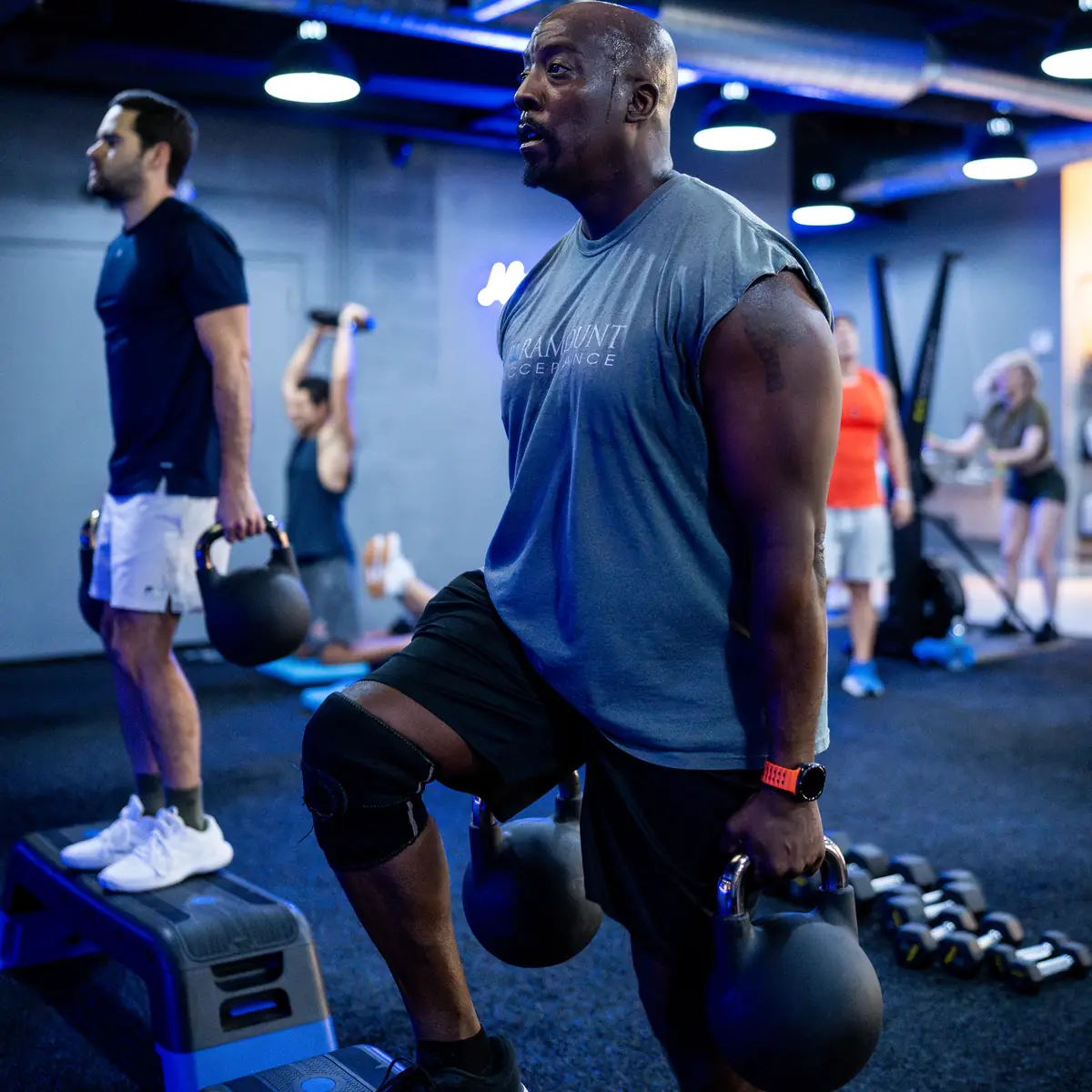
It makes it easy to give each major muscle group dedicated attention and, with higher frequency versions, spread weekly volume across multiple sessions.
But PPL does not build muscle just because you use the split.
Your progress still depends on things such as:
- Productive weekly training volume
- Consistent effort
- Progressive overload
- Appropriate exercise selection
- Nutrition
- Recovery
Training six days is not automatically better than training four. The goal is to do enough high quality work to create progress without piling on more fatigue than you can recover from.
Is Push Pull Legs Good for Strength?
PPL can support strength development too.
Exercises such as presses, rows, squats, and deadlift variations fit naturally into the structure. If a lift is especially important to you, place it early in the workout while you are fresh and track your performance over time.
Someone whose main goal is maximizing a few specific strength lifts may eventually prefer a more specialized program that gives those movements more frequent practice.
Think of push pull legs as a framework. It can support strength, but the way you program the exercises still needs to match the goal.
How Many Sets and Reps Should You Do?
There is no universal sets and reps formula for push pull legs.
A practical starting point for many people is around 2 to 3 working sets per exercise.
For a muscle building focused routine, you might use:
- Main compound exercises: around 5 to 10 reps
- Secondary exercises: around 8 to 12 reps
- Smaller accessory exercises: around 10 to 15 reps or more
These are starting points, not hard rules.
If strength is the priority, your main compound lifts may use heavier resistance and fewer repetitions.
The bigger thing to watch is your total weekly training. Remember that compound exercises already train multiple muscles, so direct isolation sets are not the only work your shoulders, triceps, biceps, glutes, and other muscles are receiving.
How Do You Use Progressive Overload With Push Pull Legs?
Progressive overload means gradually making your training more challenging as you adapt.
That could mean:
- Adding repetitions
- Increasing resistance
- Improving range of motion
- Improving control
- Adding a set when it makes sense
A simple way to do this is to choose a repetition range.
If your goal for a chest press is 8 to 12 reps, keep the same resistance while gradually improving your performance. Once you can consistently reach the top of the range with good technique, increase the resistance slightly and start building again.
Keep a training log so you know what you did last time.
You do not need to improve every exercise every week. Progress is easier to see when you look across several weeks or months instead of expecting a personal record in every session.
How Much Recovery Do You Need?
Recovery needs vary based on how often you train, how much work you do, how well you sleep, how you eat, your experience level, and the stress you have outside the gym.
A three day PPL routine naturally provides more days away from lifting. A six day routine leaves less space between strength sessions, so managing fatigue becomes more important.
You do not necessarily need a full rest day after every workout because each session emphasizes different muscle groups.
Still, your body does not recover one muscle at a time in complete isolation.
Signs that you may need more recovery include:
- Performance dropping repeatedly
- Persistent soreness
- Normal weights suddenly feeling much harder
- Poor sleep
- Low motivation to train
- Difficulty maintaining your usual technique
Put rest days where they help you return to your next workout ready to perform well.
Can You Do Cardio With Push Pull Legs?
Yes. Cardio can fit well alongside push pull legs.
Easy cardio is generally the simplest to add. Options can include:
- Walking
- Easy cycling
- Incline treadmill work
- Moderate rowing
- Light conditioning
Push and pull days can be convenient places for cardio because your main strength work is focused on the upper body.
Hard intervals, sprints, or long runs deserve more thought around leg day because they can create additional lower body fatigue.
If strength or muscle growth is your main priority and you do cardio and resistance training in the same session, completing your lifting first is a practical approach.
You do not need to avoid cardio. You just want to place it where it supports your overall fitness without consistently making your next strength workout worse.
Push Pull Legs vs Full Body: Which Is Better?
Neither approach is automatically better.
Full body training can be especially practical if you lift two or three days per week because you can train most major muscle groups during every session.
Push pull legs gives each workout a narrower focus and can become easier to organize when you want to train more frequently.
A full body routine may fit you better if you:
- Train two or three days per week
- Are new to resistance training
- Want frequent practice of the main movement patterns
- Have an unpredictable schedule
Push pull legs may fit you better if you:
- Prefer more focused workouts
- Train four or more days
- Want more room for exercise variety
- Like separating push, pull, and lower body work
Both can build strength and muscle. Your weekly training, progression, and consistency matter more than the name of the split.
Push Pull Legs vs Upper Lower: Which Is Better?
Push pull legs and upper lower can both work well. The biggest difference is how they organize your week.
An upper lower routine fits naturally into four training days:
- Upper
- Lower
- Rest
- Upper
- Lower
That gives your upper and lower body two dedicated sessions each week.
PPL separates the upper body into push and pull sessions, which can make each workout more focused. It often becomes especially convenient if you prefer five or six training days.
If you want a predictable four day routine, upper lower may be easier to organize. If you enjoy more specialized sessions and frequent training, PPL may feel like a better fit.
The better choice is the one that works with your actual schedule and recovery.
Common Push Pull Legs Mistakes
Most PPL mistakes come from doing more than you need.
Doing Too Much Volume
More exercises and more sets are not automatically better.
Start with enough work to make progress, then add more when there is a clear reason.
Starting With Six Days Too Soon
You do not need to train six days just because that version of PPL is popular online.
Build your frequency gradually.
Choosing Too Many Similar Exercises
Several variations of nearly the same press or row can add fatigue without adding much useful variety.
Cover the main movement patterns first.
Ignoring Progressive Overload
Keep track of what you are doing and gradually improve it instead of repeating the same workload forever.
Adding Weight Before Your Technique Is Ready
If adding resistance causes your technique or range of motion to fall apart, the increase may be too aggressive.
Training Every Set to Failure
Your sets should be challenging, but you do not need to take every exercise to the point where another repetition is impossible.
Neglecting Recovery
When performance keeps declining and fatigue keeps building, more training is probably not the answer.
Chasing Soreness
Soreness is not the goal. Consistent improvement is a much more useful measure.
Changing Exercises Constantly
Give your main movements enough time to improve before replacing them.
Choosing a Schedule You Cannot Maintain
A simpler routine you can follow is more useful than an ambitious one you repeatedly miss.
How to Build a Simple Push Pull Legs Routine
The easiest way to build a PPL routine is to keep the process simple.
Step 1: Choose Your Training Frequency
Start with the number of days you can realistically maintain.
Use PPL three days per week, rotate through it across four or five days, or repeat the full cycle across six.
Step 2: Choose Your Main Movements
Build each workout around the major patterns.
Push
- Chest press
- Overhead press
- Optional second chest exercise
Pull
- Row
- Pull up or pulldown
Legs
- Squat or leg press
- Hip hinge
- Single leg exercise
Step 3: Add a Few Accessories
Add smaller exercises where they serve a clear purpose.
That might include lateral raises, triceps exercises, curls, reverse flyes, leg curls, or calf raises.
Step 4: Start With Manageable Volume
For many beginners, around 2 to 3 working sets per exercise is enough to get started.
Leave yourself room to progress instead of beginning with the largest amount of training you think you can survive.
Step 5: Track and Adjust
Record your weights, sets, and repetitions.
Then gradually improve them while paying attention to technique and recovery.
A simple program that you can repeat and progress will usually take you further than a complicated routine that changes every week.
Frequently Asked Questions About Push Pull Legs
Is push pull legs good for beginners?
Yes, PPL can work for beginners when the training volume and number of workout days are manageable. If you only train two or three days each week, a full body routine may also be worth considering because it gives you more frequent practice with the main movements.
Is a 3 day push pull legs split effective?
Yes. A three day routine can be effective and easy to maintain. You complete one push, one pull, and one leg workout each week.
Is a 6 day push pull legs split too much?
Not necessarily, but it requires more careful volume and recovery management. Beginners generally do not need to start with six days.
Can you do push pull legs 4 days a week?
Yes. Continue rotating through Push, Pull, and Legs across your four available training days. You do not need to restart the cycle each Monday.
Can you do push pull legs 5 days a week?
Yes. Follow the same rotation and continue wherever you left off during the following week.
Should deadlifts go on pull day or leg day?
Either can work. Traditional deadlifts involve the back, grip, glutes, and hamstrings, so the best placement depends on the rest of your program. Romanian deadlifts often fit naturally on leg day because of their emphasis on the hamstrings and glutes.
Where should shoulders go in push pull legs?
Front and side shoulder work usually fits on push day. Rear shoulder work often fits better on pull day.
Where should abs go in push pull legs?
Core work can go after push, pull, or leg workouts. Choose the placement that lets you train your core consistently without interfering with your main lifts.
Is push pull legs good for weight loss?
PPL can support a weight loss plan by helping you stay active and maintain or build strength and muscle. Fat loss still depends largely on maintaining an appropriate calorie deficit over time.
Can women do push pull legs?
Yes. Push pull legs is simply a way to organize resistance training. Exercise selection, volume, and frequency should be based on individual goals and experience rather than gender.
How long should a push pull legs workout take?
There is no required length. The workout will depend on how many exercises and sets you perform, how long you rest, and what your goals are. A focused workout does not need to be extremely long to be productive.
Final Takeaway
Push pull legs works because it gives your strength training a clear, flexible structure.
Push day focuses on pressing muscles, pull day focuses on pulling muscles, and leg day covers the lower body. From there, you can adjust your training frequency, exercises, sets, and repetitions based on your schedule and goals.
You do not need the most complicated PPL routine or the highest number of training days. You need a routine you can perform consistently, recover from, and gradually improve.
If you want coach led strength training with clear structure, exercise guidance, and modifications based on your fitness level, find a SWEAT440 location near you and see how a 40 minute strength focused workout can fit into your routine. Book your first class free and experience the difference.