Turning 30 often brings a new awareness of your body. You may notice gradual changes in energy, recovery, metabolism, or overall strength, and it’s natural to wonder what they mean.
Here’s the perspective that matters: your body isn’t failing you, it’s evolving. And when you respond with the right kind of training and care, it can become stronger, more resilient, and more capable than ever before.
The benefits of strength training after 30 go far beyond appearance. Done consistently and intelligently, strength training becomes one of the kindest investments you can make in your future health.
Why Strength Training Becomes More Important After 30
Muscle Loss and Metabolic Changes Are Normal and Manageable
Around age 30, the body naturally begins to lose small amounts of muscle over time. This gradual process, known as sarcopenia, can influence strength, metabolism, and body composition.
But this isn’t something to fear; it’s something to respond to.
Because muscle helps support metabolism, posture, and everyday movement, maintaining it becomes increasingly valuable. Strength training gives your body a reason to hold onto that muscle and even build more.
Hormonal Shifts Are Part of the Process
Your 30s often bring subtle hormonal changes:
- Testosterone gradually declines in men
- Estrogen and progesterone fluctuate in women
- Growth hormone production slowly decreases
These shifts can affect recovery, energy, and how your body stores fat. Strength training helps regulate many of these processes by stimulating muscle-building responses and supporting insulin sensitivity.
It’s not about pushing harder, it’s about training smarter.
Bone Density and Structural Support
Bone density also changes with age. Strength training places healthy, controlled stress on your bones and connective tissues, encouraging them to stay strong.
Over time, this helps promote:
- Better joint stability
- Reduced risk of osteoporosis
- Greater long-term durability
Think of strength training as reinforcing your foundation — not just building muscle, but building support.

What Are the Benefits of Strength Training After 30?
The benefits of strength training after 30 are both physical and practical. They show up in ways that matter to daily life.
Preserves and Builds Lean Muscle
Maintaining muscle helps everyday tasks feel easier, such as carrying groceries, lifting children, moving furniture, or simply maintaining good posture during long workdays.
It’s about capability, not just aesthetics.
Supports a Healthy Body Composition
As muscle mass changes with age, body fat distribution can shift as well. Strength training helps maintain lean tissue, which supports a balanced and sustainable body composition over time.
Rather than focusing on quick fixes, strength training supports steady, long-term progress.
Improves Cardiometabolic Health
Resistance training supports blood sugar regulation, insulin sensitivity, and cardiovascular markers. These improvements help lower long-term risk of chronic disease.
This is where strength training moves beyond fitness; it becomes preventive care.
Enhances Functional Fitness
Balance, coordination, and mobility become more important with each decade. Strength training supports these qualities so you can continue doing what you enjoy with confidence.
Strength Training and Longevity: A Long-Term Investment
Longevity isn’t only about adding years to your life. It’s about adding quality to those years.
Research consistently shows that people who include muscle-strengthening activities in their routines tend to have better long-term health outcomes than those who do not.
You don’t need extreme routines or endless hours in the gym. Two to three structured sessions per week can make a meaningful difference.
Over time, those small, consistent efforts compound, supporting what experts call healthspan: the years you remain active, independent, and capable.
Strength Training vs. Cardio After 30: Finding Balance
Cardio and strength training are not competitors; they complement each other.
Cardio supports:
- Heart and lung health
- Endurance
- Stress relief
Strength training supports:
- Muscle preservation
- Bone health
- Joint stability
- Functional strength
- Metabolic health
After 30, muscle and bone resilience play a growing role in long-term health. Including both forms of exercise creates balance.
How Often Should You Strength Train After 30?
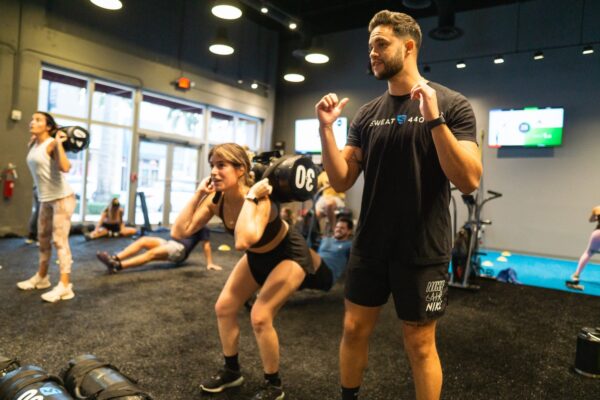
For most adults, two to three full-body sessions per week are more than enough to see meaningful progress.
More frequent training can be helpful depending on goals, but recovery becomes increasingly important. Sleep, nutrition, stress management, and rest days are part of the program, not an afterthought.
Sustainable routines tend to outperform extreme ones. The goal is something you can maintain for years, not weeks.
Is It Safe to Start Strength Training in Your 30s?
Yes, and it’s a supportive step forward.
You don’t need prior experience. You don’t need to be in peak condition. Strength training meets you where you are.
To begin safely:
- Focus on proper form
- Start with manageable resistance
- Progress gradually
- Prioritize recovery
Your body is adaptable. With patience and guidance, it responds remarkably well.
Final Takeaway: Support Your Future Self
Your 30s are not a warning sign; they’re an opportunity.
The benefits of strength training after 30 include:
- Maintaining muscle and metabolism
- Supporting bone and joint health
- Improving metabolic and cardiovascular markers
- Enhancing mobility and independence
- Reducing long-term health risks
Every session is a small investment in your future self.
If you’re ready to begin in a structured, supportive environment, consider taking the first step.
Book a free class at SWEAT440 and start building strength in a way that feels sustainable, supportive, and empowering.
FAQ: Benefits of Strength Training After 30
- Can you still build muscle after 30?
Yes. With progressive resistance and adequate recovery, muscle growth remains very achievable. - Is strength training better than cardio after 30?
Both play important roles. Strength supports muscle and bone health, while cardio supports heart health. - How quickly will I see results?
Many beginners notice strength improvements within a few weeks. Visible changes follow with consistent effort. - Is strength training safe for beginners?
Yes. Starting gradually and focusing on proper form keeps it both safe and effective. - How many times per week should I lift weights?
Two to three sessions per week is effective for most adults.
Biography
 Matthew Miller has over 20 years of experience in the fitness industry as a business owner and personal trainer. He holds a BA in Exercise and Sports Science from the University of North Carolina and is CSCS certified through the NSCA. He is currently the co-founder and Chief Brand Officer of SWEAT440.