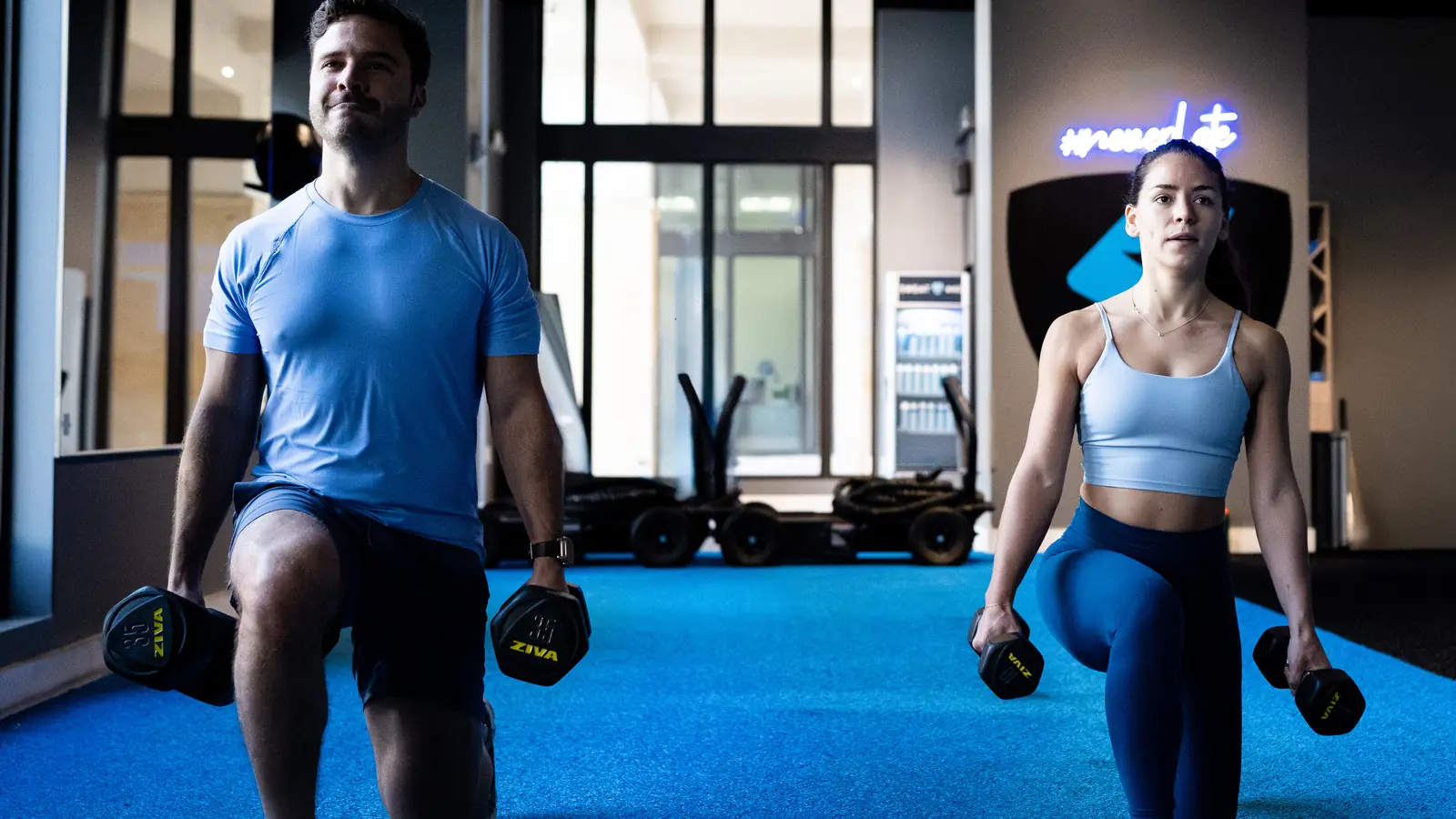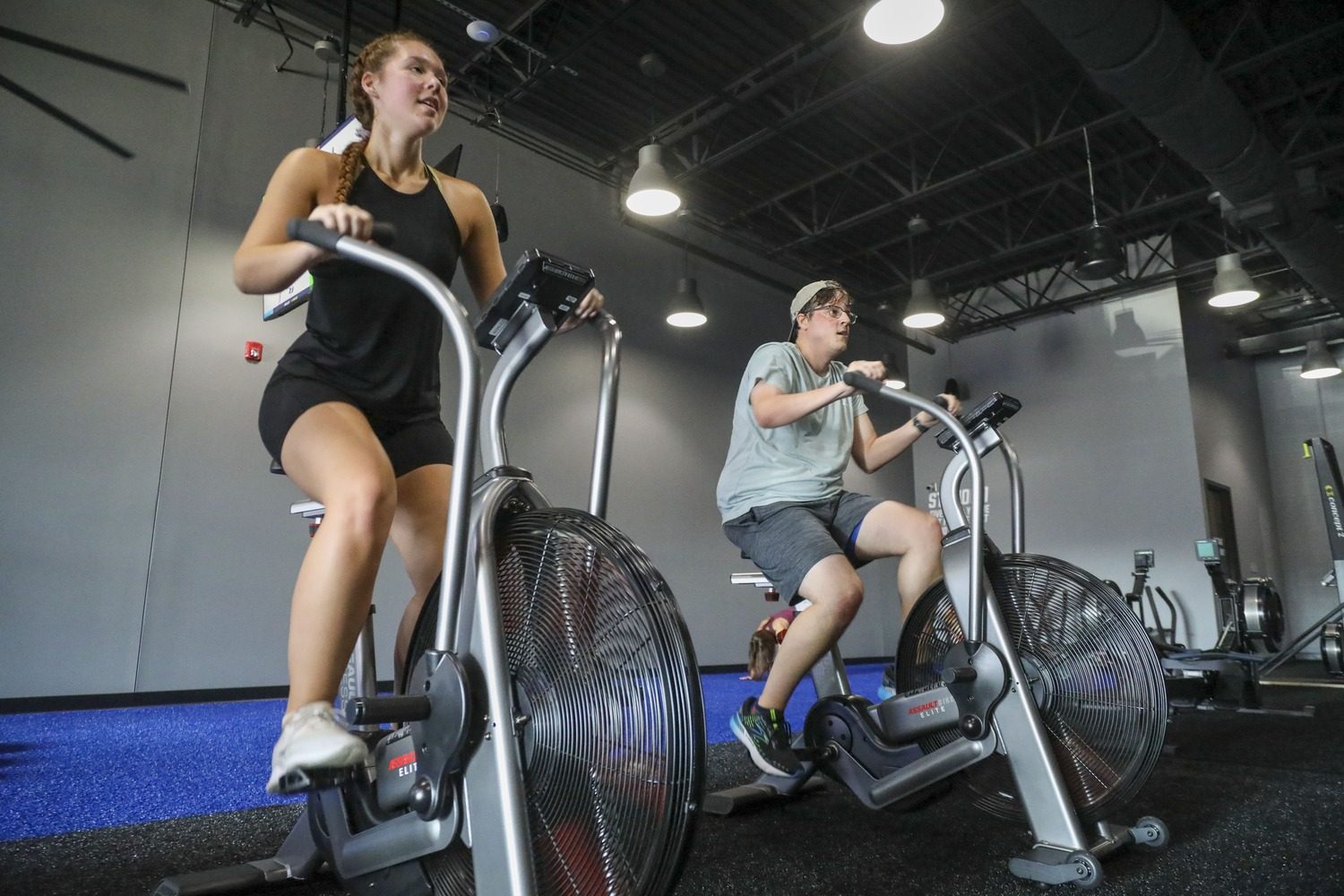
If you’re trying to lose fat, you’ve probably asked yourself one question: Should you focus on cardio or lift weights? Here’s the truth. You don’t have to choose. Hybrid training for fat loss combines both into one structured system so you can burn calories, build strength, and stay consistent. And for most people, it’s one of the most effective ways to actually see results.
What Is Hybrid Training in Fitness?
Hybrid training is a structured approach that combines strength training and cardio into one program. Instead of separating workouts, you train both in a balanced way to improve:
- Strength
- Endurance
- Body composition
How Hybrid Training Works
Each part of your workout has a purpose.
- Strength training helps you build and maintain muscle, which supports your metabolism
- Cardio helps you burn calories and improve conditioning
Put them together, and you get a more efficient system for fat loss.
Why It’s Becoming So Popular
Hybrid training works because it fits real life. It’s:
- Efficient
- Balanced
- Sustainable
You’re not stuck doing endless cardio or only lifting weights. You’re training smarter.
The Biggest Misconception
A lot of people think they have to choose between strength and cardio. You don’t. With the right structure, you can do both and get better results.
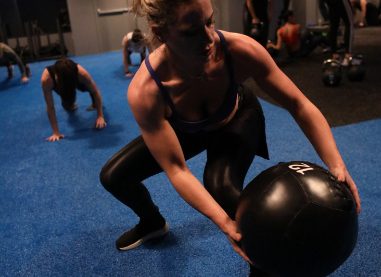
Is Hybrid Training Better for Fat Loss?
Yes. Hybrid training for fat loss is often more effective than relying on just one method. But not for the reason most people think.
How Fat Loss Actually Works
Fat loss comes down to one thing: You need to burn more calories than you consume. Hybrid training helps you do that in a more efficient and sustainable way.
Why Hybrid Training Works Better
With hybrid training, you:
- Burn calories during cardio
- Maintain muscle through strength training
- Get more out of every workout
This leads to better results, not just on the scale, but in how your body looks and performs.
The Real Advantage
The biggest advantage is consistency. A program that mixes strength and cardio is easier to stick to, and consistency is what drives real fat loss results.
What Are the Most Common Mistakes in Hybrid Training for Fat Loss?
Even with a solid plan, a few common mistakes can slow down your results.
Doing Too Much Too Soon
Trying to train every day or adding too much intensity too quickly often leads to fatigue and inconsistency. Start with a realistic schedule and build up over time.
Ignoring Strength Progression
If your weights, reps, or difficulty never increase, your results will stall. Progressive overload is key to maintaining muscle and improving body composition.
Relying Only on Cardio
Cardio helps with calorie burn, but without enough strength training, you risk losing muscle along with fat. A balanced approach is what makes hybrid training for fat loss effective.
Not Prioritizing Recovery
Skipping rest days or sleeping poorly can slow fat loss and increase injury risk. Recovery is part of the program, not something extra.
Lack of Structure
Random workouts lead to random results. Following a structured hybrid program makes it easier to stay consistent and see progress.
How Often Should You Do Hybrid Training for Fat Loss?
For most people, the sweet spot is 3 to 5 days per week.
Finding Your Ideal Schedule
- Beginners should start with 3 days per week
- Intermediate individuals can train 4 to 5 days
The goal is consistency, not perfection.
Example Weekly Structure
A simple setup could look like:
- 3 days of strength-focused hybrid workouts
- 1 to 2 optional cardio or active recovery days
Why Recovery Matters
This is where most people get it wrong. Progress doesn’t happen during the workout. It happens when your body recovers. Without rest:
- Performance drops
- Fat loss slows
- Injury risk increases
The Biggest Mistake
Training every day without a plan. A structured schedule will always beat an extreme one.
What’s the Best Ratio of Strength vs Cardio for Fat Loss?
A strong starting point is:
- 60 to 70 percent strength training
- 30 to 40 percent cardio
Why Strength Comes First
Strength training helps you:
- Maintain muscle
- Support your metabolism
- Improve body composition
Where Cardio Fits In
Cardio supports calorie burn and endurance, but it should complement your strength training, not replace it.
Keep It Simple
You don’t need a perfect ratio. What matters is:
- Consistency
- Progression
- A plan you can stick to

Is Hybrid Training Good for Beginners?
Yes, and it’s one of the most effective ways to start.
Why It Works
Hybrid training helps beginners:
- Build strength
- Improve endurance
- Burn calories
All in one simple system.
How to Start
- Train 3 times per week
- Focus on full-body workouts
- Keep sessions short and structured
A Simple Routine
Start with:
- Strength exercises
- Short cardio finishers
That’s enough to see real progress.
Why Structure Matters
Without structure, workouts feel random. With structure, everything becomes easier to follow and easier to stick to.
Final Takeaway: Is Hybrid Training the Best Choice for Fat Loss?
Hybrid training works because it’s practical. It helps you:
- Burn fat
- Maintain muscle
- Stay consistent
Instead of choosing between cardio or strength, you build a system that actually works long term. And that’s what gets results.
FAQ
Is hybrid training better than HIIT for fat loss? Both can work, but hybrid training is often easier to sustain long term because it balances intensity and recovery. Can you lose fat without cardio? Yes, but combining cardio with strength training usually makes the process more efficient. How long does it take to see results? Most people start noticing changes within 4 to 6 weeks with consistent training and proper nutrition. Can hybrid training help maintain muscle while losing fat? Yes. That’s one of its biggest advantages compared to cardio-only approaches.
👉 Ready to stop guessing and start seeing real progress? Book your first class free and experience the difference.