Building muscle can feel overwhelming when you are first getting started.
There is a lot of information online, and much of it makes the process seem more complicated than it needs to be.
The reality is that building muscle comes down to a few key principles done consistently over time.
You do not need extreme workouts, complicated programs, or hours in the gym every day.
You need a training routine you can stick to, nutrition that supports recovery, and enough patience to let the process work.
How Muscle Growth Actually Works
Building muscle is simpler than most people think.
When you strength train, your muscles are challenged through resistance and repeated movement.
That stress signals your body to adapt.
As your body recovers, it repairs the muscle fibers and gradually makes them stronger over time.
That is how muscle growth happens.
But one of the biggest misconceptions is thinking muscles grow during the workout itself.
In reality, growth happens during recovery.
That means sleep, nutrition, hydration, and rest all play an important role in your progress.
Consistency matters even more.
You do not need extreme workouts or hours in the gym to build muscle as a beginner.
You simply need to challenge your muscles regularly and give your body enough time to recover and adapt.
That is what creates progress over time.
The Best Type of Training for Building Muscle
If your goal is to build muscle, strength training should be the foundation of your workouts.
That does not mean you need advanced bodybuilding routines or complicated workout plans.
For beginners, simpler is usually better.
The most effective exercises are often compound movements, which train multiple muscle groups at the same time.
Exercises like squats, rows, presses, and lunges help build overall strength while teaching your body how to move efficiently.
They also make workouts more effective without needing dozens of isolated exercises.
Another important factor is frequency.
Most beginners see progress by strength training around two to four times per week consistently.
You do not need to train every day.
What matters most is challenging your muscles regularly, improving gradually, and allowing your body enough time to recover between sessions.
The goal is not to do the most.
It is to do enough consistently over time.
Do You Need to Lift Heavy to Build Muscle?
One of the biggest myths about building muscle is that you need to lift extremely heavy weights right away.
You do not.
For beginners, learning proper form and building consistency are far more important.
Muscle growth happens when your body is challenged progressively over time.
That process is called progressive overload.
It simply means gradually increasing the difficulty of your workouts as your body adapts.
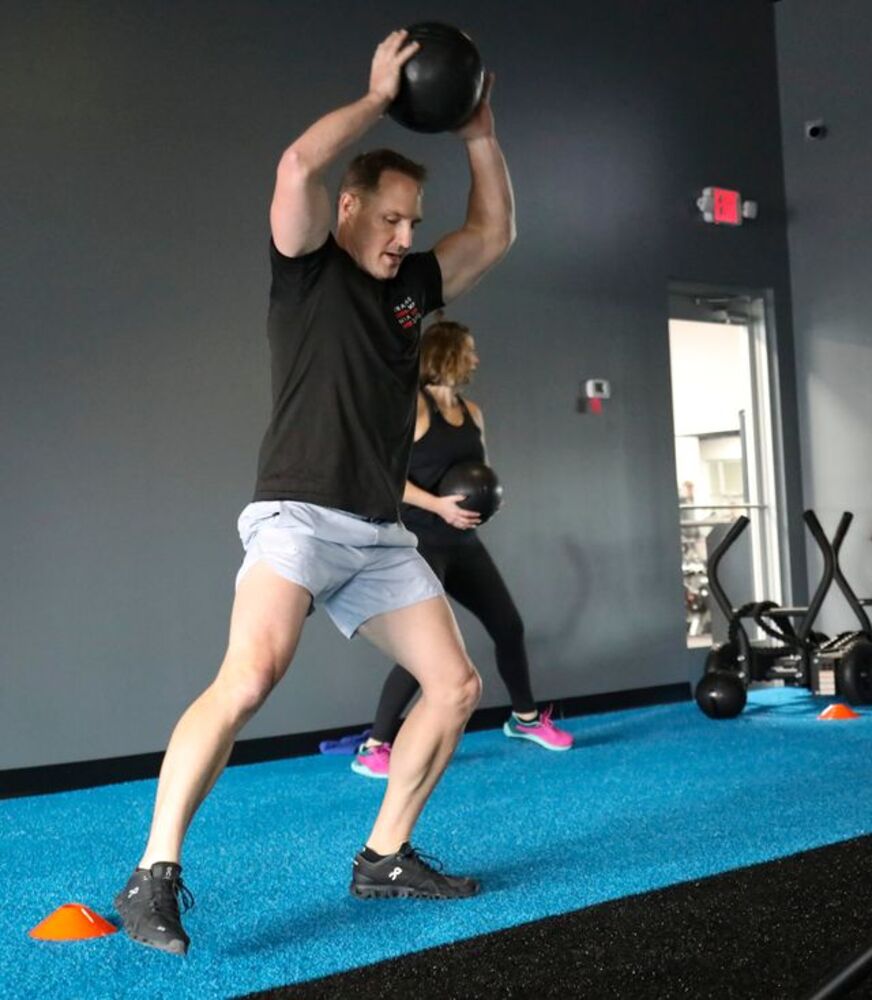
That can happen by increasing weight, adding repetitions, improving control and technique, or reducing rest time.
Lifting heavier can become part of the process later on, but it should not be the starting point.
Trying to lift too heavy too soon often leads to poor form, unnecessary fatigue, and sometimes injury.
The goal is not to impress anyone in the gym.
It is to train in a way that you can repeat consistently while continuing to improve over time.
Nutrition Basics for Muscle Growth
Training is only part of the muscle-building process.
What you eat matters too.
One of the most important nutrients for building muscle is protein. Protein helps your body repair and rebuild muscle tissue after workouts.
That is why including protein regularly throughout the day is important when your goal is muscle growth.
At the same time, your body also needs enough overall fuel.
Many beginners focus only on workouts while underestimating how important recovery and nutrition really are.
Carbohydrates help provide energy for training, while hydration supports performance and recovery.
The good news is that you do not need a complicated diet to build muscle.
You do not need extreme meal plans or perfect eating habits.
For most beginners, focusing on balanced meals, enough protein, proper hydration, and consistency is more than enough to start making progress.
The Role of Recovery and Sleep
One of the most overlooked parts of building muscle is recovery.
Many beginners assume progress only comes from working harder and training more often.
But your muscles do not grow during the workout itself.
They grow while your body recovers afterward.
That recovery process depends heavily on sleep, nutrition, hydration, and rest.
Sleep is especially important because it is when your body repairs muscle tissue and restores energy levels.
Without enough recovery, it becomes harder for your body to adapt to training.
Over time, poor recovery can lead to fatigue, slower progress, reduced performance, and even injury.
Building muscle is not just about how hard you train.
It is about how well your body can recover and come back stronger for the next workout.

Common Beginner Mistakes That Slow Muscle Growth
One of the biggest mistakes beginners make is trying to do too much too quickly.
More workouts, heavier weights, and extreme routines do not automatically lead to faster results.
In many cases, they just make recovery harder.
Another common issue is inconsistency.
Building muscle requires repetition over time. Constantly skipping workouts or changing programs every few weeks makes it harder for your body to adapt and progress.
Nutrition is another area that gets overlooked.
Many people train hard but do not eat enough protein or enough overall food to properly support recovery and muscle growth.
Technique also matters.
Trying to lift too heavy before learning proper form can slow progress and increase the risk of injury.
And finally, many beginners expect visible changes immediately.
Muscle growth takes time.
The people who make the most progress are usually the ones who stay patient, stay consistent, and focus on improving gradually rather than trying to do everything perfectly from the start.
Can Short Workouts Still Build Muscle?
A lot of beginners assume they need to spend hours in the gym to build muscle.
That is not true.
Short workouts can still be highly effective when they are done consistently and with enough effort.
Muscle growth is driven more by the quality of your training than the length of your workouts.
A focused workout with good intensity, compound movements, and proper recovery can absolutely help beginners build muscle over time.
In fact, shorter workouts are often easier to maintain consistently.
They fit into busy schedules more easily, feel less overwhelming, and are usually easier to recover from.
That consistency is what matters most.
You do not need to train for hours every day.
You need a routine you can realistically stick with long term.
Final Takeaway: Focus on Progress, Not Perfection
Building muscle does not have to be complicated.
You do not need perfect workouts, advanced programs, or extreme diets to start seeing progress.
What matters most is staying consistent with your training, supporting your body with proper nutrition, and giving yourself enough time to recover.
The goal is not to do everything perfectly from the beginning.
It is to keep improving over time.
Start simple.
Stay patient.
Focus on progress rather than perfection.
That is how real results are built.
👉 Ready to stop guessing and start seeing real progress?
Book your first class free and experience the difference.
Biography
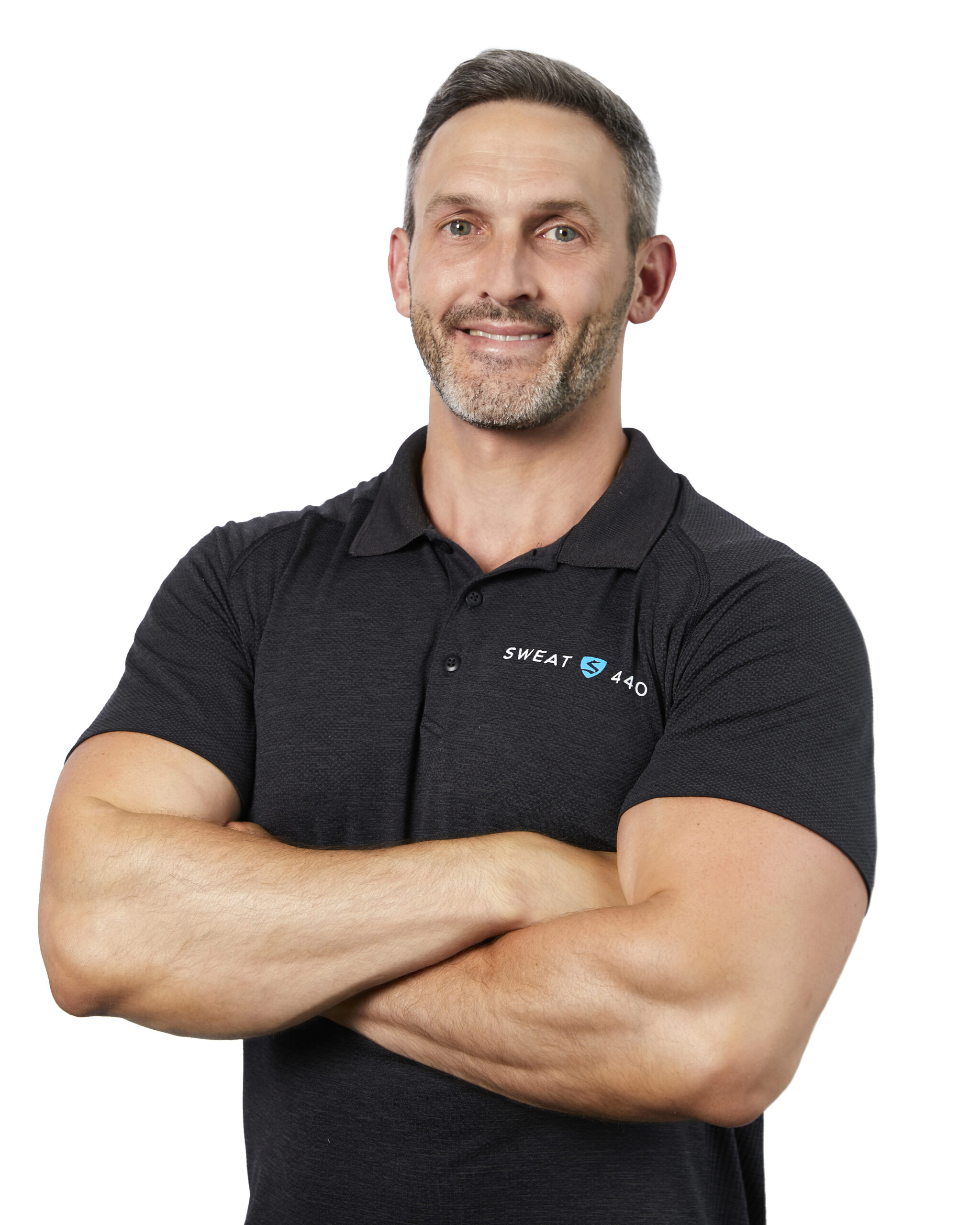 Matthew Miller has over 20 years of experience in the fitness industry as a business owner and personal trainer. He holds a BA in Exercise and Sports Science from the University of North Carolina and is CSCS certified through the NSCA. He is currently the co-founder and Chief Brand Officer of SWEAT440.