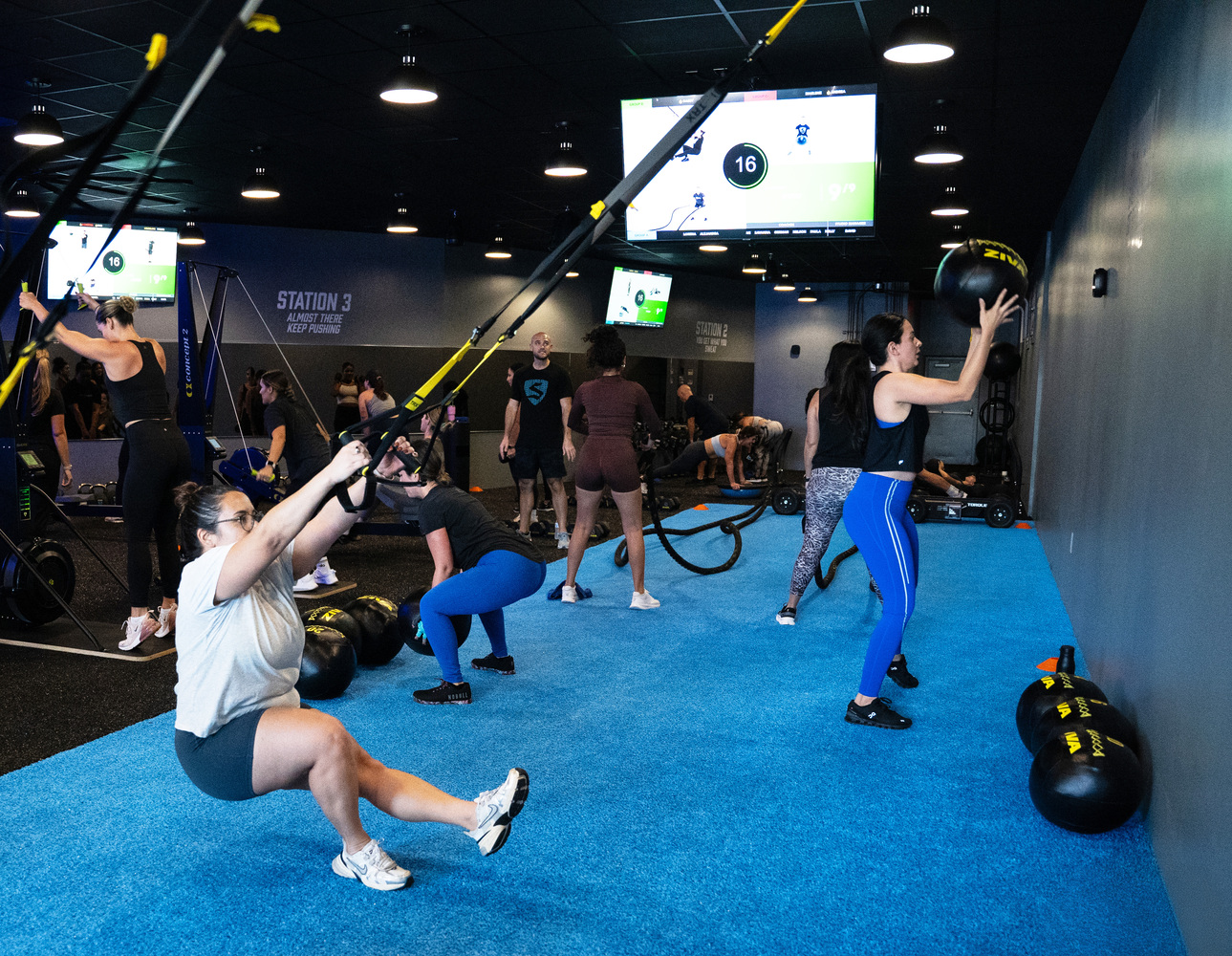
If you’re trying to lose weight, improve your fitness, or simply get more out of your workouts, you’ve probably wondered how many calories a strength training class actually burns.
The answer depends on several factors, including the intensity of the workout, your body composition, and the structure of the class itself.
While calorie burn is often a major focus, it is only one of the many benefits strength training provides.
Understanding how strength training affects calorie expenditure can help you make more informed decisions about your fitness routine and long-term goals.
How Many Calories Can You Burn During a Strength Training Class?
The number of calories burned during a strength training class depends on several factors, including your body weight, workout intensity, and the structure of the class itself.
In general, most people can expect to burn anywhere from 200 to 500 calories during a strength training workout.
Higher-intensity classes that incorporate circuit training, minimal rest periods, and full-body movements often fall toward the higher end of that range.
It is important to remember that calorie estimates are exactly that, estimates.
Two people participating in the same class may burn different amounts of calories based on their fitness level, muscle mass, and effort.
While calorie burn is often the first thing people look at, it does not tell the full story of what strength training can do for your body.
That is where many of the long-term benefits begin to separate strength training from other forms of exercise.
What Affects Calories Burned During Strength Training?
Not everyone burns the same number of calories during a strength training workout.
Several factors influence how much energy your body uses during exercise.
One of the biggest factors is body weight. Larger individuals generally burn more calories because their bodies require more energy to perform the same movements.
Muscle mass also plays a role. Since muscle tissue requires energy to maintain, people with more lean muscle often burn more calories both during workouts and throughout the day.
Workout intensity is another major factor.
A strength training class that includes compound movements, minimal rest periods, and full body exercises will typically burn more calories than a slower-paced workout with longer recovery periods.
The design of the workout matters as well.
Exercises that recruit multiple muscle groups at once, such as squats, rows, and presses, generally require more energy than exercises that isolate a single muscle.
That is why calorie burn can vary so much from one person to another, even when taking the same class.
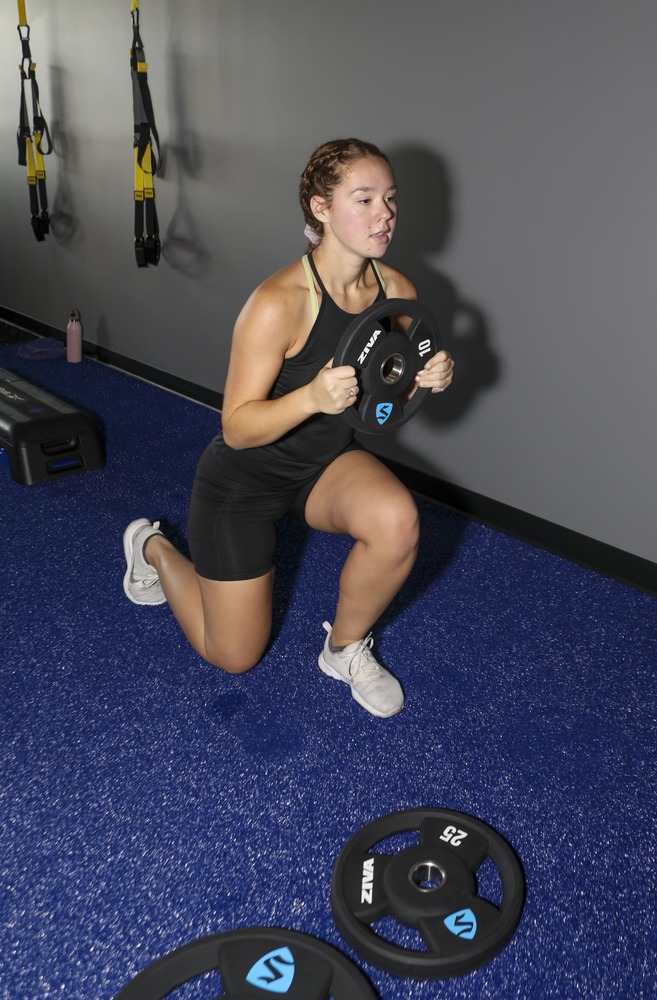
Does Strength Training Burn Calories After Your Workout?
One reason strength training is so effective is that the benefits do not stop when the workout ends.
After a workout, your body enters a recovery process where it repairs muscle tissue, restores energy stores, and adapts to the training stimulus.
All of those processes require energy.
This is often referred to as the afterburn effect, or Excess Post-Exercise Oxygen Consumption (EPOC).
In simple terms, your body continues burning calories after your workout because it is working to recover.
The size of this effect depends on factors such as workout intensity, training volume, and individual fitness level.
While the afterburn effect is often exaggerated on social media, it is a real benefit of strength training.
Strength training also helps build lean muscle over time, which can support overall calorie expenditure as part of a long-term fitness plan.
The biggest takeaway is that the impact of strength training extends beyond the calories you burn during the workout itself.
Strength Training vs Cardio: Which Burns More Calories?
If your goal is simply to burn as many calories as possible during a workout, cardio often comes out ahead.
Activities like running, cycling, and rowing typically burn more calories during the session because they keep your heart rate elevated continuously.
But that does not mean strength training is less effective.
Strength training creates a different type of demand on the body.
In addition to the calories burned during the workout, your body continues using energy during the recovery process as it repairs and rebuilds muscle tissue.
Strength training also helps preserve and build lean muscle mass, which plays an important role in overall body composition and long-term fitness goals.
Rather than viewing strength training and cardio as competitors, it is often more helpful to see them as complementary tools.
Both offer unique benefits, and many people achieve the best results by incorporating a mix of both into their routine.
Why Strength Training Supports Weight Loss
Many people associate weight loss with cardio, but strength training can play an equally important role.
One reason is that strength training helps preserve muscle while you lose fat.
Without resistance training, it is possible to lose both fat and muscle during a weight-loss journey. Maintaining muscle is important because it helps support strength, performance, and overall body composition.
Strength training also contributes to calorie expenditure both during and after your workouts.
Combined with proper nutrition, it can help create the conditions needed for fat loss while supporting a stronger, healthier body.
Another advantage is that progress is not measured solely by the number on the scale.
As you build strength and improve body composition, you may notice changes in how you look, feel, and perform even before dramatic weight changes occur.
That is why strength training is often considered one of the most sustainable tools for long-term weight management.

Is Calorie Burn the Best Way to Measure a Workout?
Calories burned can be a helpful metric, but they should not be the only way you judge a workout.
A workout that burns the most calories is not automatically the most effective.
For example, strength training may burn fewer calories during a session than a long cardio workout, but it can still help build muscle, improve body composition, and support long-term fitness goals.
There are many ways to measure progress beyond calorie burn.
Getting stronger, improving endurance, moving better, and building healthy habits are all signs that your training is working.
It is also important to remember that calorie estimates from watches, fitness trackers, and machines are not always perfectly accurate.
They can provide a general idea, but they do not tell the complete story.
The most effective workout is usually the one that helps you stay consistent, make progress, and enjoy the process enough to keep coming back.
Final Takeaway: Focus on More Than Calories
Strength training can burn a significant number of calories, especially when workouts involve full-body movements, higher intensity, and minimal rest periods.
But the true value of strength training goes beyond the calories burned during a single class.
It helps build muscle, supports fat loss, improves body composition, and continues requiring energy during recovery.
While calorie burn can be a useful metric, it should not be the only measure of a successful workout.
The best fitness routine is one that helps you become stronger, healthier, and more consistent over time.
When it comes to long-term results, those factors matter far more than any calorie estimate on a fitness tracker.
👉 Ready to stop guessing and start seeing real progress?
Book your first class free and experience the difference.
Biography
 Matthew Miller has over 20 years of experience in the fitness industry as a business owner and personal trainer. He holds a BA in Exercise and Sports Science from the University of North Carolina and is CSCS certified through the NSCA. He is currently the co-founder and Chief Brand Officer of SWEAT440.