Building stronger glutes takes more than choosing one popular exercise and repeating it every workout. Your glutes contribute to movement and stability around your hips, which makes them an important part of overall lower body strength. An effective glute workout should challenge these muscles through several movement patterns while giving you room to progress as you become stronger.
Exercises such as squats, Romanian deadlifts, reverse lunges, glute bridges, and step ups can create a strong foundation. The goal is not to fit every possible glute exercise into your routine. It is to choose purposeful movements, perform them with control, and gradually increase the challenge over time.
What Muscles Make Up Your Glutes?
Your glutes are not just one muscle. They are a group of three muscles called the gluteus maximus, gluteus medius, and gluteus minimus. Together, these muscles contribute to movement and stability around your hips, making them an important part of lower body strength.
The gluteus maximus is the largest muscle in the group and plays an important role in extending the hip. You use this action during many common strength exercises, including squats, Romanian deadlifts, glute bridges, and step ups. Developing strength through these movements can help you build a stronger foundation throughout your lower body.
The gluteus medius and gluteus minimus also contribute to movement and stability around the hip. They become particularly important when you need to control your pelvis and lower body during movements involving one leg, such as lunges and step ups.
That matters because an effective glute workout should involve more than repeating one exercise. Combining squats, hinges, bridges, and single leg movements allows you to challenge your glutes through different movement patterns while developing more balanced lower body strength.
What Are the Best Exercises for Glutes?
The best exercises for glutes challenge your lower body through several different movement patterns. Instead of depending on one exercise, combining squats, hinges, lunges, bridges, and step ups can give you a more complete approach to building glute strength.
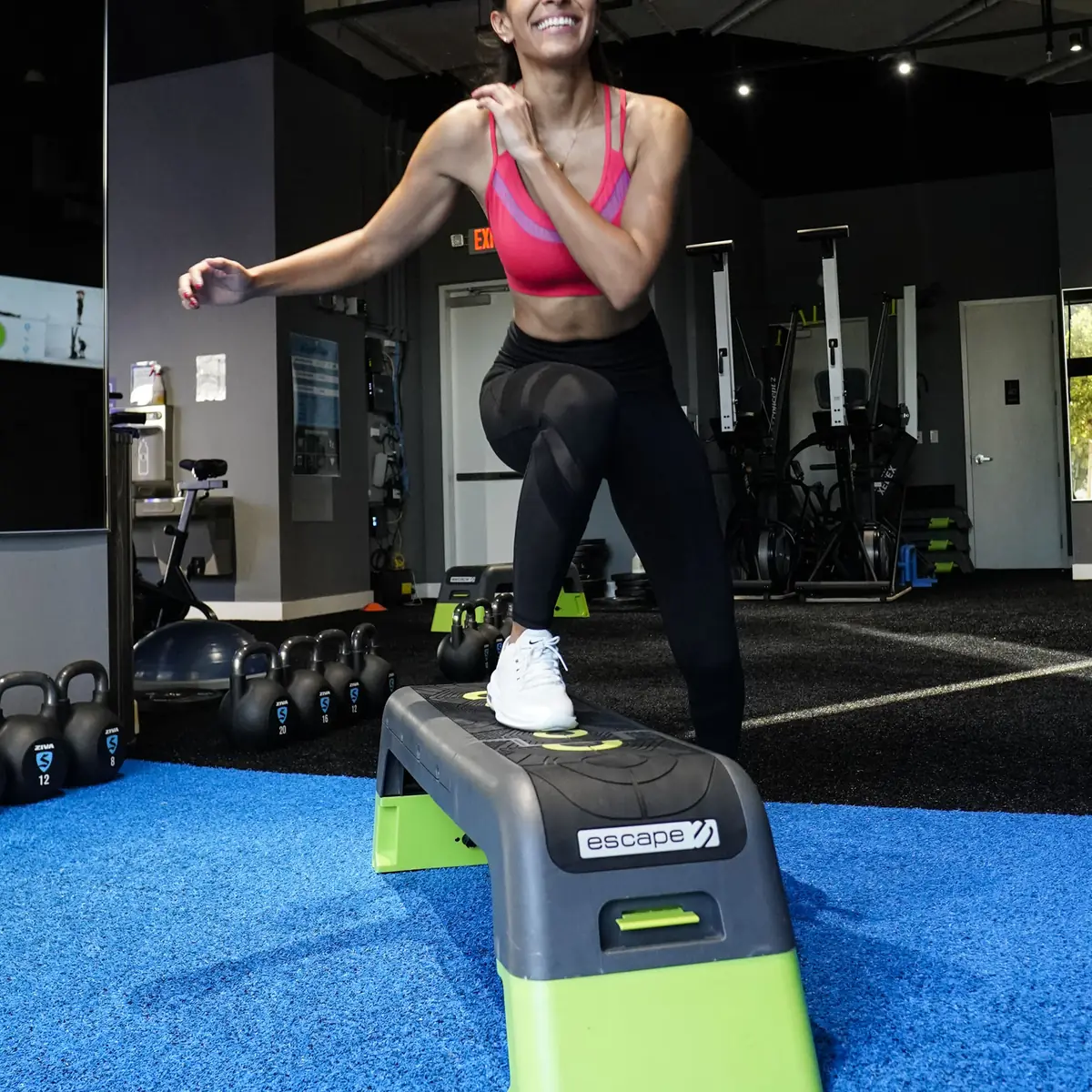
Squats challenge your glutes and quadriceps as you lower your body and return to standing. They are a useful foundation for lower body strength because they involve several joints and muscle groups working together. Your range of motion and resistance should match your current ability so you can maintain control throughout the movement.
Romanian deadlifts emphasize the hip hinge and challenge the glutes and hamstrings. Rather than simply lowering the weight toward the floor, focus on moving through your hips while maintaining a controlled position. Good technique matters more than choosing the heaviest resistance possible.
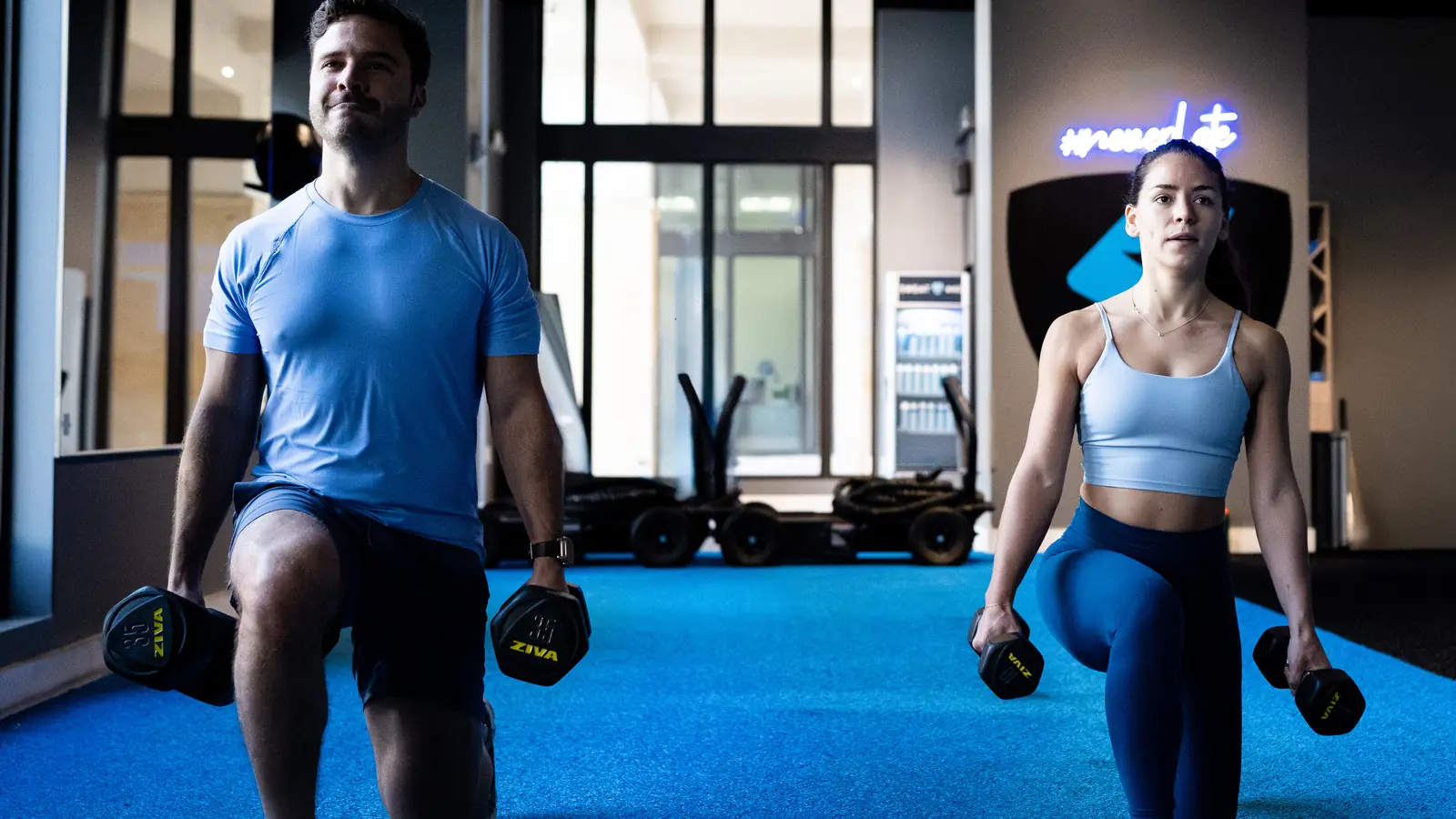
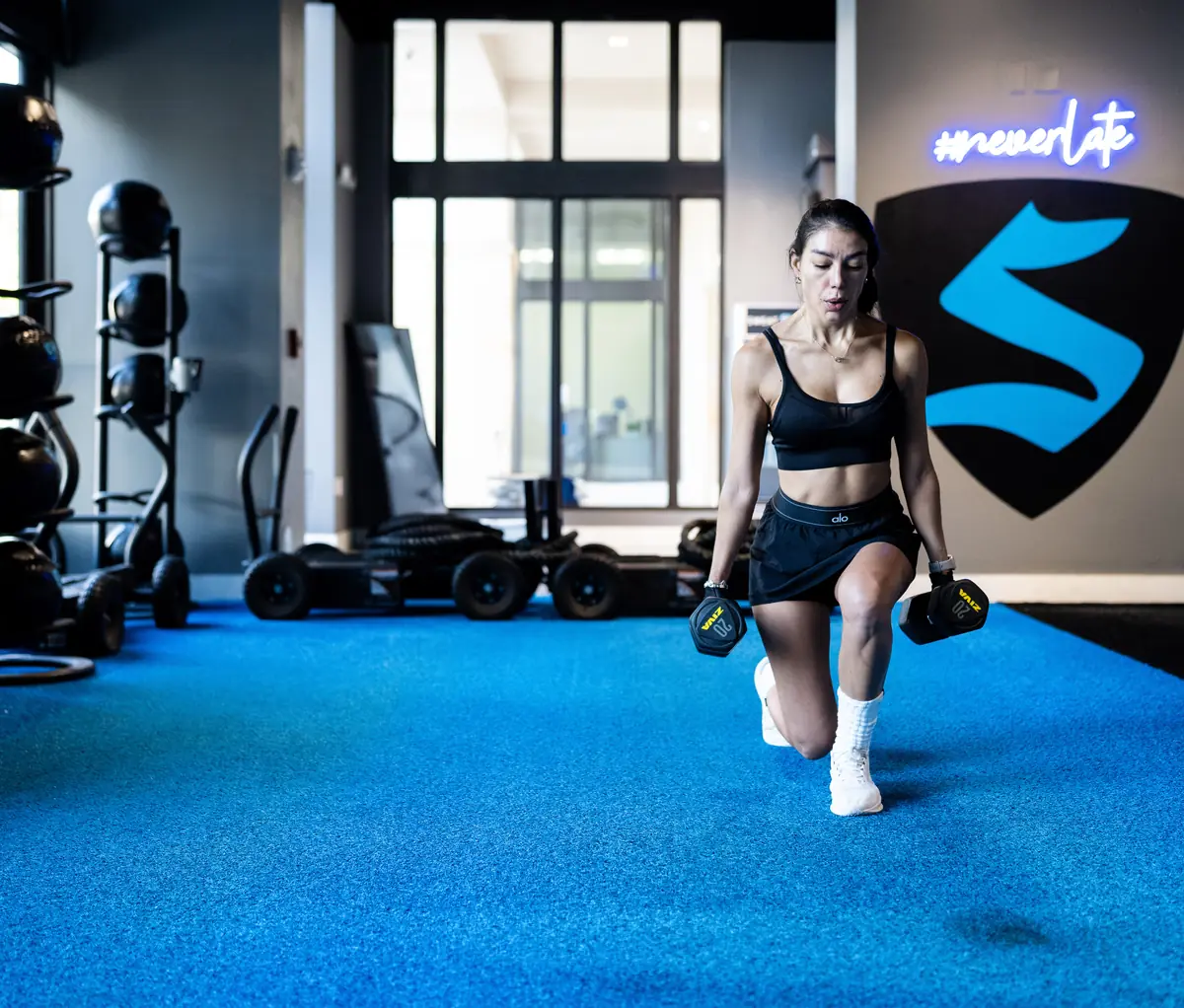
Reverse lunges and step ups challenge one side of your lower body at a time. Both exercises involve the glutes and quadriceps while requiring you to control your position throughout the movement. They can also be adjusted by changing resistance or range of motion based on your experience.
Glute bridges focus on hip extension and can provide a straightforward way to challenge the glutes. They can be especially useful when learning how to create force through the hips before progressing the exercise with additional resistance.
What matters most is how these exercises work together. A balanced glute workout can combine squatting, hinging, bridging, and single leg movements rather than expecting one exercise to do everything.
What Does a Beginner Glute Workout Look Like?
A beginner glute workout does not need dozens of exercises to be effective. A simple routine can combine squats, Romanian deadlifts, reverse lunges, glute bridges, and step ups to challenge the glutes through several different movement patterns.
| Exercise | Sets | Repetitions |
|---|---|---|
| Squat | 2 to 3 | 8 to 12 |
| Romanian deadlift | 2 to 3 | 8 to 12 |
| Reverse lunge | 2 to 3 | 8 to 12 each side |
| Glute bridge | 2 to 3 | 8 to 12 |
| Step up | 2 to 3 | 8 to 12 each side |
For many beginners, 2 to 3 sets of 8 to 12 repetitions can provide a practical starting point for these strength exercises. Your individual starting point may vary based on your experience and the resistance you are using.
Choosing the right resistance is just as important as choosing the exercises. The weight should feel challenging while still allowing you to maintain good technique throughout the set. If you need to sacrifice control simply to finish the repetitions, reducing the resistance may be the better option.
What most people miss is that a beginner workout should leave room for progression. As your technique improves and the exercises become more manageable, you can gradually increase the resistance or adjust the exercise difficulty.
Are Squats Enough to Build Your Glutes?
Squats are an excellent strength exercise for your glutes, but they should not be the only movement in your glute workout. They challenge the glutes and quadriceps while requiring your lower body to work together as you lower and return to standing. That makes squats a useful foundation, but not a complete glute training plan by themselves.
The reason this matters is that your glutes contribute to several different movements at the hip. Adding exercises with different movement patterns gives you more ways to challenge these muscles. Romanian deadlifts emphasize the hip hinge, while glute bridges focus on hip extension and reverse lunges and step ups challenge each side individually.
You also do not need to add every possible glute exercise to your workout. Combining a squat with a hinge, a bridge, and a single leg movement can give your routine more variety without making it unnecessarily complicated.
Instead of asking whether squats are enough, think about whether your overall workout trains your glutes through a balanced selection of movements. Squats can absolutely be part of that approach, but combining them with other purposeful strength exercises gives you a more complete glute workout.
How Many Sets and Reps Should You Do for Glutes?
For beginners, 2 to 3 sets of 8 to 12 repetitions can provide a simple starting point for many glute strength exercises. The exact number will depend on the movement, resistance, and your current training experience. You do not need to complete a large number of sets simply to make a glute workout effective.
The resistance you choose should make those repetitions feel challenging while still allowing you to maintain control. If you can complete every repetition easily, you may eventually need more resistance. If your technique starts breaking down before you reach your planned repetitions, the resistance may be too challenging for that exercise.
That matters because the goal is not simply to accumulate repetitions. Squats, Romanian deadlifts, lunges, bridges, and step ups should be performed with purposeful movement and control. Quality repetitions give you a better foundation for gradually increasing the challenge.
As you become stronger, progression can take several forms. You might increase the resistance, complete more controlled repetitions within your planned range, or move to a more challenging exercise variation.
How Often Should You Train Your Glutes?
How often you should train your glutes depends on your experience, workout intensity, recovery, and the rest of your strength training routine. You do not need to train your glutes every day to make progress. A better approach is to give them a consistent training stimulus while allowing adequate time for recovery.
Your glutes are already involved in many common lower body exercises. Squats, Romanian deadlifts, lunges, step ups, and glute bridges can all challenge them, which means you may be training your glutes during several strength workouts without needing a separate glute focused session every time.
Recovery matters because challenging a muscle is only one part of the strength building process. Your training schedule should give your body an opportunity to recover before repeatedly performing demanding exercises for the same muscles. How much recovery you need can vary depending on the exercises, resistance, training volume, and your individual response.
The goal is to find a schedule you can maintain while continuing to progress. Rather than focusing on how often you can train your glutes, focus on the quality of your workouts, your technique, and whether you are gradually increasing the challenge as you become stronger.
How Do You Build Stronger Glutes Over Time?
Building stronger glutes requires your workouts to progress as your strength improves. If you perform the same exercises with the same resistance and difficulty indefinitely, they may eventually stop providing the same level of challenge. Gradual progression allows your glute workout to continue developing with you.
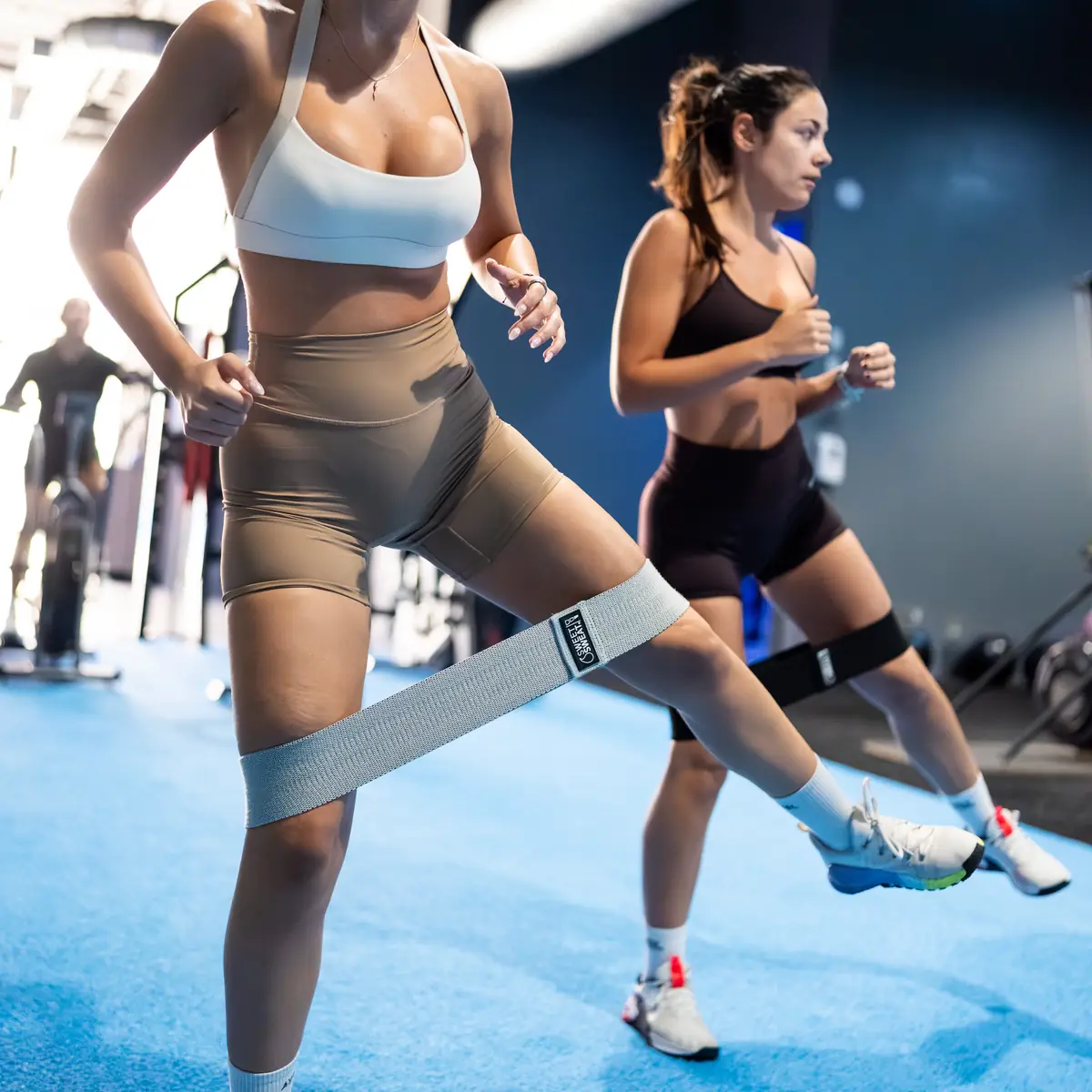
Increasing resistance is one straightforward way to progress. When you can perform your planned repetitions with good technique and the exercise consistently feels manageable, you may be ready for more resistance. The increase does not need to be dramatic because small changes can still make an exercise more challenging.
Progress can also come from performing your repetitions with better control, completing more repetitions within your planned range, or advancing to a more challenging exercise variation. What matters is that you continue giving your muscles a reason to adapt without sacrificing technique simply to make the workout harder.
The reason this works is that building strength is a gradual process. You do not need a completely new glute workout every few weeks to keep progressing. Consistently practicing fundamental movements, tracking your improvement, and increasing the challenge when appropriate can help you build stronger glutes over time.
How Does SWEAT440 Help You Build Stronger Glutes?
Building stronger glutes requires more than choosing a few popular exercises. You need consistent strength training, appropriate resistance, controlled technique, and enough progression to keep challenging your muscles as you improve. Having a structured workout can make it easier to put those pieces together without planning every session yourself.
At SWEAT440, coach led strength training gives you guidance throughout a structured 40 minute workout. Coaches can provide form cues and exercise modifications when appropriate, helping you approach movements such as squats, lunges, hinges, and bridges according to your current ability.
The glutes are also trained as part of a larger strength training program. Rather than focusing exclusively on one muscle group, your workouts can challenge your lower body alongside your upper body and core. That creates a more balanced approach to building strength throughout your body.
What matters most is continuing to show up and giving your muscles an appropriate challenge over time. SWEAT440 provides the workout structure and coaching, while your consistent effort creates the opportunity to progress.
Final Takeaway: Build Stronger Glutes With Consistent Strength Training
Building stronger glutes does not require chasing a new workout every week or filling your routine with endless exercises. A focused combination of squats, Romanian deadlifts, lunges, glute bridges, and step ups can challenge your glutes through different movement patterns while helping you develop balanced lower body strength.
The key is making those exercises progress with you. Start with resistance that allows you to maintain good technique and control, then gradually increase the challenge as you become stronger. More resistance, additional controlled repetitions, or an appropriate exercise variation can all help your training continue moving forward.
Consistency matters just as much as exercise selection. One difficult glute workout will not replace regular strength training over time. Following a routine you can maintain gives you repeated opportunities to practice the movements, improve your technique, and continue challenging your muscles.
At SWEAT440, structured 40 minute, coach led strength training gives you a clear plan without requiring you to design every workout yourself. You can focus on moving with control, choosing an appropriate challenge, and building strength throughout your glutes and the rest of your body.
Book your first class free and experience the difference.